Introduction
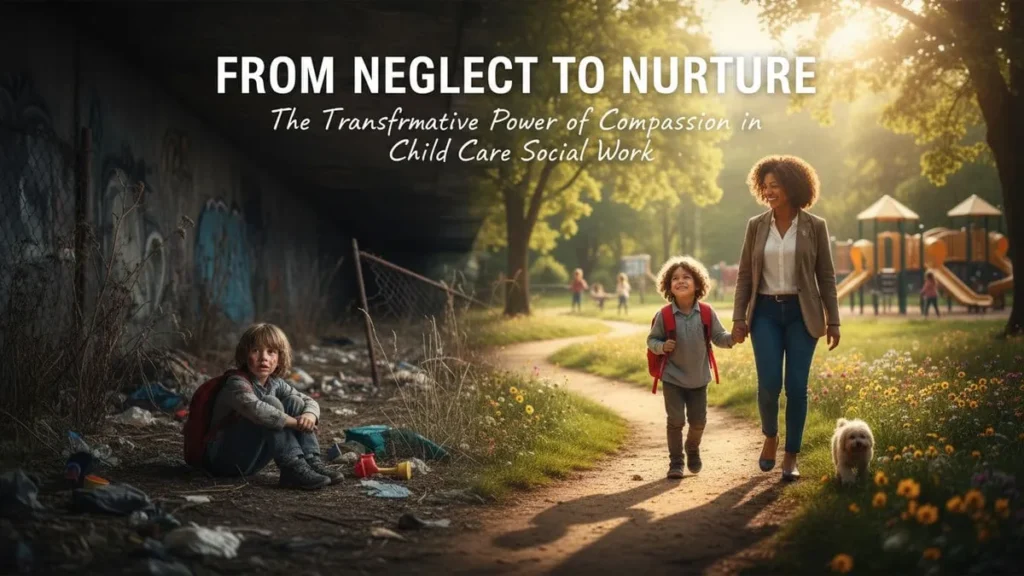
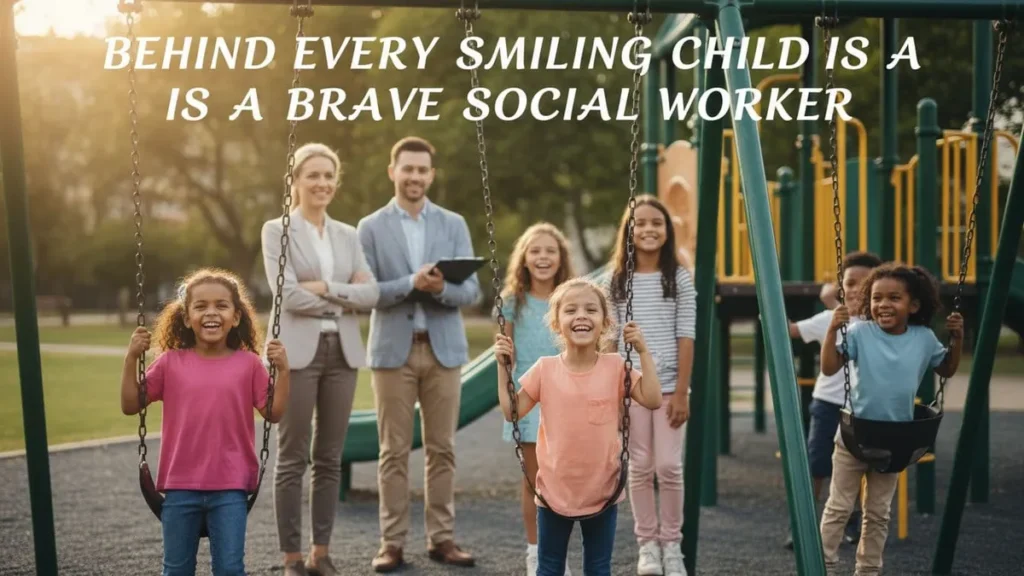
Behind every smile of a rescued, nurtured, or hopeful child, there is a story of courage, compassion, and unwavering commitment—a story written by a social worker. These unsung heroes of humanity stand on the frontlines of society’s most challenging realities. They protect, heal, and empower children who have faced neglect, trauma, or injustice. Social workers are the invisible backbone of child welfare systems worldwide, ensuring that no child is left unseen or unheard. The phrase “Behind every smiling child is a brave social worker” captures the essence of their tireless dedication. In this article, we will explore the pivotal role of social workers in transforming childhoods, backed by global data, insights, and stories that reveal their courage and compassion in action.
Table of Contents
- What Does It Mean to Be a Social Worker for Children?
- The Courageous Role of Frontline Social Workers
- Why Social Work Is More Crucial Than Ever in 2025
- Global Data and Statistics
- Emotional Resilience: The Hidden Strength of Social Workers
- Skills That Define Brave Social Workers
- Challenges Faced by Child Welfare Professionals
- Real-World Examples of Impact
- The Future of Child Welfare and Social Work
- Conclusion: The Silent Guardians of Childhood
What Does It Mean to Be a Social Worker for Children?
A child-focused social worker is much more than an employee of a welfare agency—they are guardians of trust, protectors of rights, and advocates for hope. Their mission extends beyond providing shelter or services; they aim to restore dignity and create a nurturing environment for every child. Whether working in orphanages, foster care systems, hospitals, or humanitarian organizations, social workers are the bridge between vulnerability and empowerment. They coordinate with families, educators, legal systems, and healthcare providers to ensure children grow up safe, loved, and valued.
Common FAQs (People Also Ask)
Q1: What is the primary role of a child social worker?
They identify, assess, and respond to the needs of children facing abuse, neglect, poverty, or trauma.
Q2: How do social workers impact child welfare?
They design interventions that promote safety, education, and emotional well-being.
Q3: What qualities make a successful social worker?
Empathy, resilience, cultural sensitivity, communication, and ethical integrity.
Q4: What is the difference between social work and charity?
Social work is a structured profession based on evidence, policy, and practice, while charity focuses primarily on relief efforts.
The Courageous Role of Frontline Social Workers
Social workers often face emotionally taxing and physically challenging situations. They are the first responders in cases of child abuse, trafficking, family crises, and natural disasters. Their bravery is not defined by physical strength but by emotional endurance. In environments where resources are limited and hope is fragile, they continue to show up, offering compassion where others see chaos. They face threats, hostility, and heartbreak, yet continue because they believe in one unshakable truth—that every child deserves a chance at happiness.
Why Social Work Is More Crucial Than Ever in 2025
The world of 2025 presents new and complex challenges. Rising poverty, mental health crises, climate displacement, and digital exploitation have magnified the risks for children globally. According to UNICEF (2024), over 450 million children are affected by conflict, migration, or poverty. The role of social workers has expanded to include digital safety, trauma-informed care, and policy advocacy. As technology transforms communication, social workers must adapt by leveraging AI-driven case management systems, online counseling platforms, and data-driven policy reforms—all while maintaining the heart of human connection. In this modern context, social work is not just a profession; it is a moral imperative.
Global Data and Statistics
- UNICEF (2024): Over 5 million children worldwide benefit annually from social work interventions in education, health, and safety.
- World Health Organization (WHO): Child protection programs led by social workers have reduced juvenile crime rates by 40% in participating nations.
- World Bank (2023): For every $1 invested in social work infrastructure, there is a $7 return in community stability and long-term development.
- International Federation of Social Workers (IFSW): There are more than 3.5 million professional social workers globally, yet the demand continues to outpace availability in low-income regions.
- Save the Children (2024): Countries that integrate social work in policy reforms see 60% higher child welfare outcomes.
These statistics underline the undeniable truth: social workers are essential agents of systemic change, not just emotional support.
Emotional Resilience: The Hidden Strength of Social Workers
Working in child protection often means witnessing pain up close. Social workers absorb stories of trauma and injustice that can leave lasting emotional marks. Yet, they continue with resilience that comes from purpose. Emotional resilience—the ability to stay calm and hopeful amidst adversity—is what defines their bravery. Through supervision, peer support, and mindfulness training, social workers learn to balance empathy with self-preservation. They embody emotional intelligence in its purest form, transforming compassion into sustainable action.
Skills That Define Brave Social Workers
1. Empathy: The foundation of all meaningful connections with children and families.
2. Cultural Competence: Understanding the child’s cultural and social background to provide personalized care.
3. Advocacy: Speaking up for children in legal, social, and policy frameworks.
4. Crisis Management: Responding quickly and effectively in emergencies.
5. Collaboration: Working with multidisciplinary teams for holistic interventions.
6. Emotional Intelligence: Recognizing and managing both personal and others’ emotions.
7. Resilience: Maintaining focus and strength despite continuous exposure to challenges.
8. Ethical Practice: Upholding confidentiality, integrity, and human dignity.
Challenges Faced by Child Welfare Professionals
Despite their significance, social workers face multiple systemic challenges—low wages, emotional burnout, limited recognition, and bureaucratic restrictions. In developing countries, lack of infrastructure compounds the problem, making even basic case management a struggle. Yet, their passion for service often surpasses these obstacles. Their dedication proves that social work is not just a job but a calling. Empowering social workers with better training, technology, and emotional support systems is essential for sustainable child welfare progress.
Real-World Examples of Impact
1. India – Childline 1098: A national helpline where social workers have rescued over 3 million children from abuse and trafficking since inception.
2. Rwanda – Family Empowerment Model: Post-genocide social work programs helped reunite over 80% of separated children with their families.
3. Canada – Trauma-Informed Foster Care: Social workers trained in trauma psychology report 35% higher success in child rehabilitation.
4. Kenya – Street-to-School Initiative: Local social workers collaborate with NGOs to enroll street children in schools, transforming entire communities.
5. Norway – Child Advocacy Centers: Multi-agency collaboration led by social workers reduced repeated trauma exposure for abused children by 50%.
These examples highlight how social workers translate empathy into measurable social progress, making a lasting difference across continents.
The Future of Child Welfare and Social Work
As global awareness grows, the future of social work lies in merging compassion with innovation. The next generation of social workers will use technology for efficiency while preserving the human heart of care. Policy-makers must invest in education, digital tools, and global collaboration to ensure every social worker is empowered to create change. Social work education should focus on cross-cultural understanding, trauma recovery, and ethics to meet evolving global needs. The future depends on societies recognizing that protecting children is not charity—it’s collective responsibility.
Conclusion: The Silent Guardians of Childhood
Every smile on a child’s face represents countless hours of unseen effort, courage, and compassion from the social workers who refuse to give up on them. They are the silent guardians of childhood, often standing between vulnerability and hope. At Angel Alliance Initiatives, we honor these brave individuals who light the path toward a kinder, more just world. They teach us that bravery is not the absence of fear but the decision to act despite it. Behind every smiling child is a brave social worker—and behind every social worker is a heart that believes in humanity’s power to heal, protect, and uplift.