Introduction
The ocean, often called the lungs of our planet, sustains life by providing over half of the Earth’s oxygen and regulating global climate. Yet, in the 21st century, our oceans face a silent yet catastrophic crisis—plastic pollution. Every year, millions of tons of plastic waste enter the seas, choking marine life and threatening the livelihoods of coastal communities. Amidst this growing environmental and humanitarian crisis, a powerful grassroots movement is emerging—volunteer-led ocean plastic cleanup programmes. Driven by compassion, innovation, and social responsibility, these initiatives are empowering low-income coastal communities to reclaim their shores, restore marine ecosystems, and rebuild hope for a cleaner, sustainable future.
Table of Contents
- What Are Volunteer-Led Ocean Plastic Cleanup Programmes?
- Why Ocean Cleanups Matter in 2025
- The Human and Environmental Cost of Ocean Plastic Pollution
- Community Empowerment through Volunteerism
- Global Data and Key Statistics
- Success Stories from Coastal Regions
- Role of NGOs, Governments, and Social Workers
- Challenges and Sustainable Solutions
- Technological Innovations Supporting Cleanups
- Conclusion: Empowering Humanity to Save Our Oceans
What Are Volunteer-Led Ocean Plastic Cleanup Programmes?
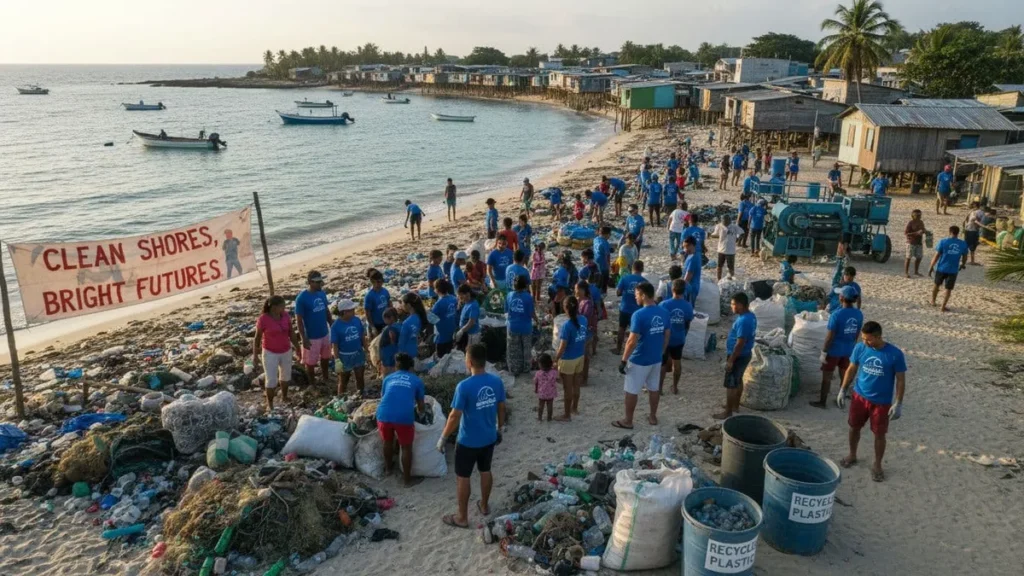
Volunteer-led ocean plastic cleanup programmes are community-driven environmental initiatives focused on removing plastic and other non-biodegradable waste from oceans, beaches, and coastal habitats. These programmes rely on the dedication of local residents, students, social workers, and environmental activists who volunteer their time and effort to restore marine ecosystems. Beyond cleaning, they promote education, awareness, and sustainable practices to prevent further pollution.
Common FAQs:
1. How do volunteer cleanups work?
Volunteers gather at designated coastal locations to collect plastic debris, which is then sorted, recycled, or repurposed. Many programs partner with recycling organizations to ensure proper waste management.
2. Who organizes these programmes?
NGOs, local community groups, schools, and environmental organizations coordinate the events, often supported by government and corporate sponsors.
3. How do these programmes help coastal communities?
They create cleaner living environments, improve fisheries, attract eco-tourism, and provide jobs in recycling and waste management.
4. What types of plastic are removed?
Single-use plastics like bottles, straws, packaging materials, and discarded fishing gear are the most common pollutants.
Why Ocean Cleanups Matter in 2025
In 2025, the urgency to address marine pollution has reached an all-time high. According to the United Nations Environment Programme (UNEP), more than 11 million metric tons of plastic enter the ocean annually—a number projected to triple by 2040 if no action is taken. This pollution kills over 1 million marine animals every year and disrupts food chains that sustain billions of people globally.
For low-income coastal communities, the impact is especially devastating. Many rely on fishing and tourism for survival, but polluted waters have led to declining fish populations and contaminated seafood. Volunteer-led cleanup initiatives have become a beacon of hope, proving that collective community action can reverse environmental damage, restore marine biodiversity, and strengthen local economies.
The Human and Environmental Cost of Ocean Plastic Pollution
Plastic pollution is not just an environmental issue—it’s a humanitarian crisis. Microplastics contaminate water supplies, endanger marine species, and ultimately enter human food chains. A 2023 study by the World Health Organization (WHO) revealed that microplastic contamination in seafood can increase the risk of chronic health conditions.
In low-income coastal regions, poor waste management infrastructure exacerbates the problem. Without organized disposal systems, plastic waste accumulates along shorelines, destroying mangroves, coral reefs, and fish habitats. This degradation leads to increased poverty, as families lose access to clean water and sustainable livelihoods. Volunteer-led cleanups, supported by NGOs, have become a powerful force in reversing these impacts, showing that community action can drive ecological restoration even in the most vulnerable areas.
Community Empowerment through Volunteerism
Volunteer-led ocean cleanup programmes represent more than environmental activism—they are social empowerment movements. By mobilizing local communities, they create ownership, responsibility, and pride in maintaining a cleaner environment.
1. Education and Awareness: Volunteers educate coastal residents about waste segregation, recycling, and the dangers of single-use plastics.
2. Inclusive Participation: Youth, women, and fishermen are engaged as active participants, creating opportunities for leadership and skill development.
3. Livelihood Generation: Many cleanup drives introduce waste-to-wealth initiatives, where collected plastics are transformed into products like eco-bricks, furniture, or art.
4. Collaboration: Partnerships with schools, universities, and environmental organizations foster a sense of global solidarity in saving the oceans.
Global Data and Key Statistics
- Over 150 million tons of plastic currently pollute the ocean (UNEP, 2024).
- 80% of marine debris originates from land-based sources.
- Community volunteer programmes remove an estimated 15–20% of coastal plastic waste annually.
- Indonesia, India, and the Philippines are leading examples of volunteer-driven marine cleanups.
- Every $1 invested in ocean cleanup initiatives yields $3–$5 in environmental and economic benefits (World Bank, 2023).
- A global movement called The Ocean Cleanup has removed over 250,000 kg of plastic from the Pacific Ocean as of 2025.
These figures emphasize that collective volunteerism can drive tangible environmental transformation.
Success Stories from Coastal Regions
1. Philippines – Plastic Bank Partnerships: Local volunteers partnered with Plastic Bank to exchange collected waste for credits that can be used to purchase groceries and essentials, improving both the environment and livelihoods.
2. India – Versova Beach Cleanup (Mumbai): Over 12 million kilograms of plastic were removed by volunteers in one of the largest citizen-led cleanups, transforming a once-toxic beach into a vibrant ecosystem.
3. Indonesia – Bye Bye Plastic Bags Initiative: Founded by two teenage sisters, this movement mobilizes youth volunteers across Bali to ban plastic bags and clean coastlines.
4. Kenya – Ocean Sole: Volunteers collect marine debris and transform it into colorful art, creating employment for local artisans while raising global awareness about marine pollution.
5. Ghana – Coastal Restoration Network: Communities organize monthly cleanups with micro-finance support, combining environmental restoration with income generation.
These initiatives showcase how grassroots volunteer efforts can bridge environmental sustainability and community empowerment.
Role of NGOs, Governments, and Social Workers
NGOs and social workers play a vital role in mobilizing, educating, and sustaining volunteer energy. Organizations like Angel Alliance Initiatives, Greenpeace, Ocean Conservancy, and The Nature Conservancy work alongside local communities to facilitate cleanup drives, provide tools, and monitor long-term outcomes.
Governments support these efforts through public awareness campaigns, waste segregation policies, and corporate social responsibility (CSR) collaborations. Social workers ensure that marginalized communities—often the most affected by pollution—receive equitable benefits from these initiatives, integrating social welfare with environmental conservation.
Challenges and Sustainable Solutions
Challenges:
- Limited funding and logistical support for continuous cleanups.
- Poor waste disposal systems leading to recurring pollution.
- Lack of education on plastic alternatives.
- Volunteer burnout due to repetitive tasks without systemic change.
Solutions:
- Establishing eco-incentive programs rewarding communities for waste collection.
- Creating local recycling hubs and micro-businesses from collected plastic.
- Promoting circular economy policies at local and national levels.
- Leveraging digital tools to track waste collection data and engage more volunteers online.
Technological Innovations Supporting Cleanups
Technology is revolutionizing marine cleanup efforts. AI-powered waste-tracking drones, mobile apps for volunteer coordination, and blockchain systems for recycling transparency are improving efficiency. The Ocean Cleanup Project’s Interceptor™ system autonomously removes waste from rivers before it reaches the sea. Similarly, coastal communities are using solar-powered trash collectors and bio-barriers to prevent waste inflow. These technologies, when paired with volunteer enthusiasm, multiply impact while reducing manual burden.
Conclusion
At Angel Alliance Initiatives, we believe that every piece of plastic removed from the ocean is a step toward healing the planet. Volunteer-led ocean plastic cleanup programmes in coastal low-income communities demonstrate the extraordinary power of people working together for the greater good. Beyond removing waste, they restore dignity, empower communities, and inspire the world to act with responsibility and compassion. Each wave cleaned is a testament to humanity’s capacity for change. By supporting and participating in these programmes, we are not merely saving the ocean—we are preserving life itself, ensuring that future generations inherit a planet that breathes freely and beautifully once again.