Introduction
In the heart of every city lies untapped potential—vacant lots, forgotten corners, and underutilized spaces that could become thriving centers of life, learning, and community. Community garden projects in urban low-income areas are transforming these neglected spaces into green sanctuaries that nourish bodies, minds, and spirits. Beyond cultivating fresh produce, these gardens cultivate hope, empowerment, and social connection. For communities struggling with food insecurity, unemployment, and environmental challenges, community gardening is more than a pastime—it’s a pathway to resilience, sustainability, and shared prosperity.
Table of Contents
- What is a Community Garden Project?
- Why Urban Community Gardens Matter in 2025
- Key Benefits of Community Gardening in Low-Income Areas
- Step-by-Step Guide to Starting a Community Garden Project
- Challenges and Solutions in Urban Community Gardening
- Global Data, Research, and Impact Statistics
- Role of NGOs, Local Governments, and Volunteers
- Success Stories: Transforming Urban Spaces into Green Havens
- Funding and Sustainability Models for Community Gardens
- Conclusion: Growing Hope, One Garden at a Time
What is a Community Garden Project?
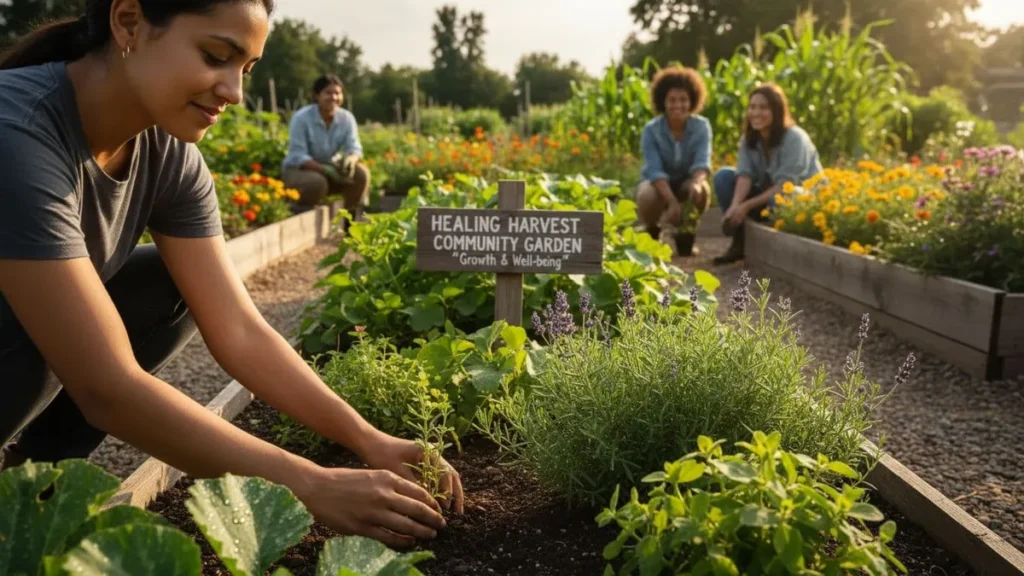
A community garden project is a shared green space where local residents come together to grow fruits, vegetables, herbs, and flowers for personal consumption or community benefit. It’s an initiative designed to empower people through collaboration, education, and environmental stewardship. These gardens can be established on empty city lots, school grounds, rooftops, or even small patches of land in residential areas. Frequently Asked Questions:
- Do community gardens need special permissions? Yes, permissions from local councils or landowners are usually required.
- Who manages the garden? Most are collectively managed by community members, often with the help of NGOs or municipal departments.
- Can low-income families benefit directly? Absolutely—these gardens help reduce grocery costs, provide fresh food access, and foster self-reliance.
Why Urban Community Gardens Matter in 2025
In 2025, the world faces unprecedented urban challenges—rising food costs, mental health crises, and growing social divides. Urban community gardens offer an innovative yet simple solution that addresses multiple global concerns simultaneously. They contribute to food security, environmental sustainability, mental health improvement, and youth empowerment. With rapid urbanization, nearly 68% of the global population is expected to live in cities by 2050. Community gardens bridge the gap between people and nature, providing accessible, green spaces that bring balance and purpose to urban lives.
Key Benefits of Community Gardening in Low-Income Areas
Community gardening in low-income neighborhoods yields multifaceted benefits. Nutritional benefits come from access to organic, fresh produce that many families otherwise cannot afford. Economic empowerment arises when residents learn to grow their own food or sell surplus produce. Social cohesion is strengthened as neighbors collaborate, share resources, and celebrate common achievements. On a mental and emotional level, gardening reduces stress, fosters mindfulness, and provides a sense of accomplishment. Environmentally, these projects improve air quality, increase biodiversity, and reduce urban heat. Collectively, they transform marginalized spaces into thriving ecosystems of life and opportunity.
Step-by-Step Guide to Starting a Community Garden Project
- Assess Community Interest: Conduct meetings to gauge interest, collect ideas, and form a volunteer committee.
- Identify and Secure Land: Contact local authorities or private owners to obtain permissions for vacant lots or unused public spaces.
- Plan the Layout: Designate plots, pathways, and communal areas; consider accessibility and safety.
- Gather Resources: Seek donations or partnerships for soil, tools, seeds, and fencing.
- Create Rules and Roles: Define participation guidelines, responsibilities, and harvest sharing methods.
- Engage the Community: Host planting days, workshops, and community events to foster ownership.
- Ensure Sustainability: Implement composting, rainwater harvesting, and eco-friendly practices.
- Build Partnerships: Collaborate with schools, local NGOs, and civic bodies for long-term support.
- Track Progress: Maintain data on yields, participation, and environmental impact for funding and improvement.
- Celebrate Success: Organize seasonal events to recognize contributors and inspire expansion.
Challenges and Solutions in Urban Community Gardening
Limited Space: Utilize vertical gardens, rooftop gardens, and hydroponic systems to maximize yield.
Funding Shortages: Partner with local businesses, CSR programs, and crowdfunding initiatives.
Soil Contamination: Use raised beds, fresh soil, and conduct soil testing to ensure safety.
Community Engagement Issues: Encourage inclusive participation and involve local schools and youth groups.
Maintenance Challenges: Create rotating schedules and provide training to sustain enthusiasm.
Global Data, Research, and Impact Statistics
A 2024 World Bank report revealed that over 820 million urban residents globally experience food insecurity. According to the United Nations Food and Agriculture Organization (FAO), community-based agriculture can meet up to 20% of a city’s fresh food needs. Research from Harvard T.H. Chan School of Public Health found that participants in urban gardening programs reported 40% higher levels of happiness and 25% lower stress. In cities like Detroit, Nairobi, and Manila, community gardens have boosted local food access while strengthening neighborhood unity. A 2025 study by Urban Greening International highlighted that every $1 invested in community gardening yields an average social and environmental return of $6.
Role of NGOs, Local Governments, and Volunteers
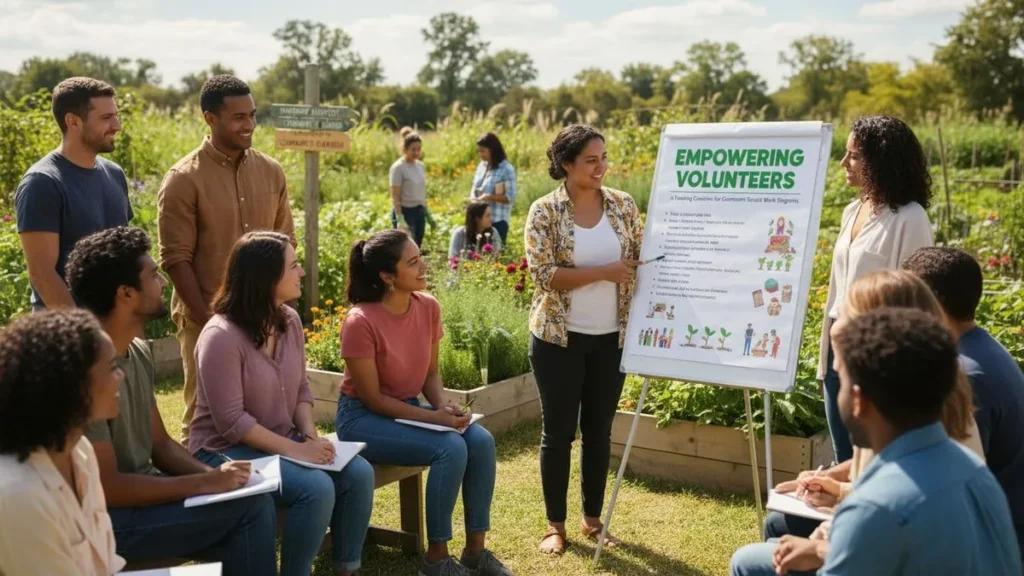
The success of community garden projects depends heavily on partnerships. NGOs bring expertise in capacity-building and sustainability, while municipal bodies offer land access and infrastructural support. Volunteers serve as the heart of these projects—teaching, planting, and maintaining the gardens. Programs like Green Cities Initiative, Grow for Change, and India’s Mission Amrit Sarovar demonstrate the power of collaboration. Government-backed community gardens often receive grants for water systems, fencing, and educational outreach, amplifying their long-term impact.
Success Stories: Transforming Urban Spaces into Green Havens
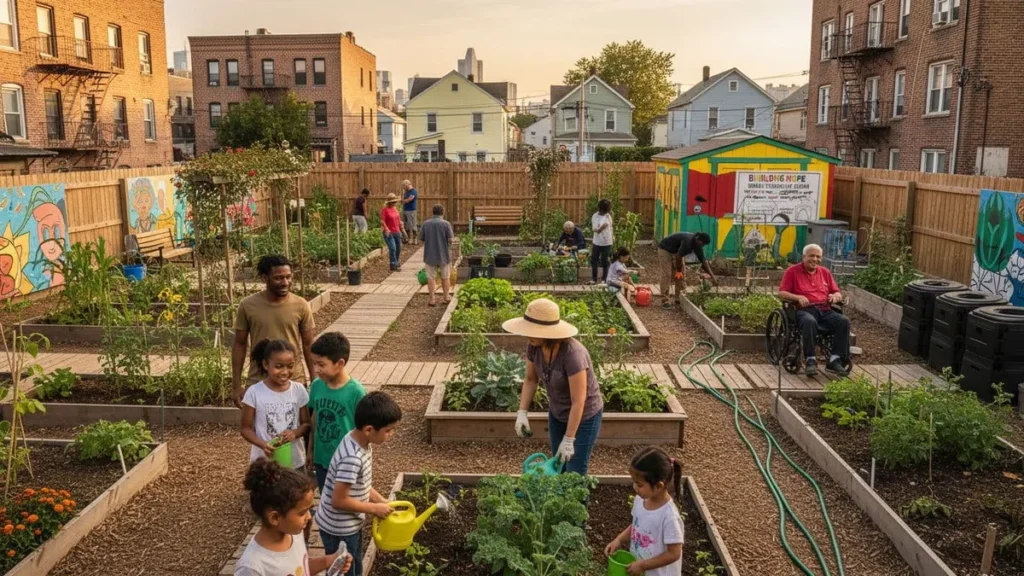
In Los Angeles, the South Central Farm transformed 14 acres of vacant land into a thriving ecosystem that fed hundreds of families. In Nairobi, Kenya, rooftop gardens helped urban women grow vegetables for both family nutrition and income. In Mumbai, India, low-income housing communities have turned unused areas into productive gardens, supported by NGOs and local youth groups. These stories prove that even the most neglected city corners can bloom with life when nurtured by collective vision and purpose.
Funding and Sustainability Models for Community Gardens
Community gardens can be sustained through diverse funding models. Corporate Social Responsibility (CSR) partnerships, municipal grants, and micro-donations from residents often provide initial funding. Local fundraising events, plant sales, and eco-markets help maintain long-term support. Educational programs and workshops can also generate small income streams. To ensure sustainability, projects must integrate eco-friendly systems such as solar lighting, rainwater harvesting, and organic composting—creating circular economies that sustain both people and the planet.
Conclusion: Growing Hope, One Garden at a Time
A seed may be small, but its potential to inspire change is immeasurable. Community garden projects are not just about planting vegetables—they’re about planting hope, unity, and resilience in places that need them most. In urban low-income areas, these gardens redefine what progress looks like. They transform despair into empowerment, concrete jungles into living classrooms, and strangers into neighbors. At Angel Alliance Initiatives, we believe that supporting such transformative movements isn’t just charity—it’s a conscious investment in humanity. Together, we can turn forgotten spaces into flourishing gardens of opportunity, growing hope one seed at a time.