Introduction
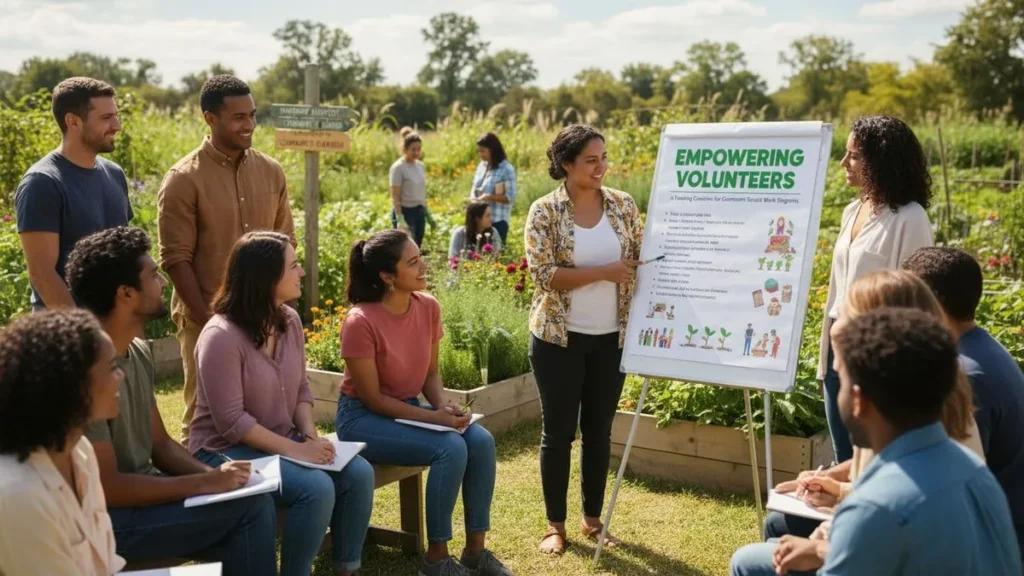
Every thriving community garden begins with a seed—but not just the kind planted in soil. The true seeds of transformation are the people behind the projects: the volunteers. Empowering volunteers through structured training programs is essential for the success of any community garden social work initiative. These individuals are not merely gardeners; they are change-makers, educators, and caretakers of the environment and humanity. A well-designed training curriculum ensures that volunteers have the knowledge, empathy, and practical skills to nurture both plants and people, building sustainable, inclusive communities that thrive together.
Table of Contents
- What is a Community Garden Social Work Program?
- The Role of Volunteers in Community Garden Initiatives
- Why Volunteer Training is Crucial in 2025
- Core Components of an Effective Volunteer Training Curriculum
- Designing the Curriculum: Step-by-Step Framework
- Data, Global Trends, and Research Insights
- Case Studies: Successful Volunteer Empowerment Models
- The Role of Technology and Online Learning
- Long-Term Impact: Empowered Volunteers, Empowered Communities
- Conclusion: Cultivating Leaders Through Purposeful Training
What is a Community Garden Social Work Program?
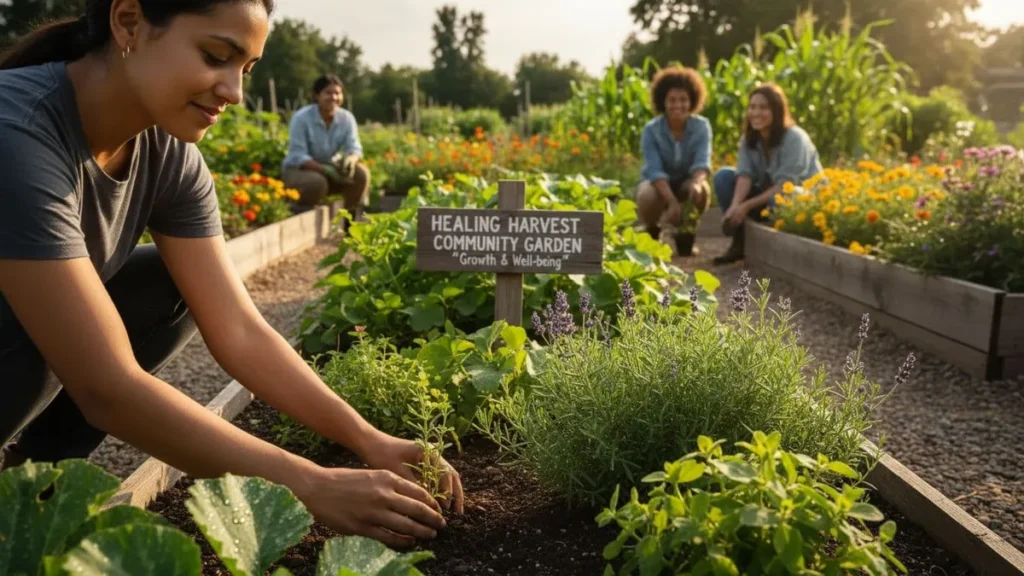
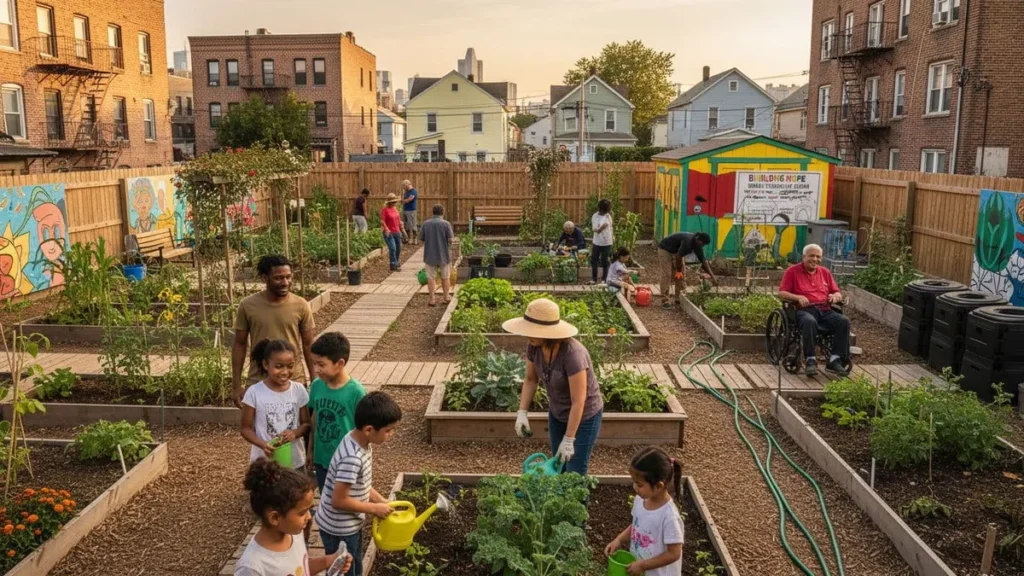
A Community Garden Social Work Program is an organized initiative that integrates environmental stewardship with social impact. It combines the principles of social work, sustainability, and community engagement to improve quality of life in urban and rural areas alike. Volunteers work collectively to cultivate gardens that provide fresh produce, educational opportunities, and therapeutic benefits to local communities. These gardens often support low-income families, promote mental well-being, and foster environmental awareness. Frequently Asked Questions:
- Do volunteers need prior experience? Not necessarily. Training programs are designed to teach gardening, teamwork, and communication skills from the ground up.
- How long do these programs last? Duration varies, but structured training typically spans 4–8 weeks with ongoing mentorship.
- What are the benefits of joining? Volunteers gain hands-on experience, leadership skills, and personal fulfillment while contributing to environmental and social change.
The Role of Volunteers in Community Garden Initiatives
Volunteers form the backbone of community garden programs. Their roles go far beyond planting; they facilitate workshops, mentor children, organize local events, and manage resources. They serve as advocates for sustainability and catalysts for social transformation. Through collective participation, volunteers strengthen community ties, bridge cultural divides, and promote environmental justice. Trained volunteers also ensure that projects run efficiently, adhering to safety, inclusivity, and ethical standards.
Why Volunteer Training is Crucial in 2025
As the world faces rising mental health challenges, food insecurity, and climate-related crises, social work in community gardening is gaining immense relevance. In 2025, the demand for structured volunteer training is higher than ever due to the need for skilled individuals who can lead eco-social programs effectively. Volunteer empowerment not only improves project outcomes but also enhances community resilience. According to the United Nations Sustainable Development Goals (SDGs), community-based environmental initiatives directly support goals like zero hunger, good health, quality education, and sustainable cities.
Core Components of an Effective Volunteer Training Curriculum
- Orientation and Mission Awareness: Introducing volunteers to the goals, values, and impact of community garden programs.
- Basic Horticulture Skills: Training on soil management, plant care, composting, and organic gardening.
- Social Work and Empathy Training: Teaching communication, counseling, and inclusivity for engaging with diverse populations.
- Environmental Education: Understanding climate impact, waste reduction, and sustainable agriculture practices.
- Health and Safety: Covering first aid, ergonomic gardening practices, and public health awareness.
- Leadership and Team Building: Empowering volunteers to lead projects, coordinate groups, and manage resources.
- Community Engagement: Hosting outreach activities, workshops, and events that involve local residents.
- Monitoring and Evaluation: Measuring progress, reporting outcomes, and improving future initiatives.
- Digital Skills: Using technology for project tracking, online campaigns, and social media advocacy.
- Ethics and Accountability: Emphasizing transparency, equity, and respect in all volunteer activities.
Designing the Curriculum: Step-by-Step Framework
- Needs Assessment: Identify local challenges—such as food insecurity, urban neglect, or lack of awareness—to shape training content.
- Curriculum Planning: Develop modules combining theory and practice, incorporating local cultural and environmental factors.
- Expert Collaboration: Engage horticulturists, psychologists, and social workers to ensure interdisciplinary learning.
- Interactive Learning: Include fieldwork, role-playing, and peer-led activities for experiential training.
- Mentorship Program: Pair new volunteers with experienced mentors for guidance and skill reinforcement.
- Certification and Recognition: Provide certificates or community credits to acknowledge participation and motivate continued involvement.
- Feedback Loop: Collect regular feedback to refine the curriculum for evolving community needs.
Data, Global Trends, and Research Insights
According to World Health Organization (WHO) research, structured volunteerism significantly improves emotional well-being and reduces community stress levels by up to 35%. A 2024 report by the Global Social Work Alliance found that 78% of community garden programs with formal training curricula achieved sustainable outcomes beyond three years. Additionally, trained volunteers increased food yield efficiency by 40% compared to untrained participants. In urban regions like New York, Nairobi, and Mumbai, volunteer-led community gardens are linked to measurable decreases in pollution, unemployment, and mental health issues. These findings underline that investing in volunteer education directly translates to healthier, more resilient communities.
Case Studies: Successful Volunteer Empowerment Models
In London, the “Grow Together” project trained over 1,200 volunteers, resulting in 250 new gardens across low-income neighborhoods. In Melbourne, the “Green Pathways” initiative combined horticultural therapy with social work, helping participants transition from unemployment to stable careers. In Delhi, India, NGOs like Prakriti Foundation partnered with local universities to create youth-driven training modules focused on urban farming and social inclusion. Each case demonstrates that when volunteers are properly trained, the social, environmental, and economic ripple effects are profound and enduring.
The Role of Technology and Online Learning
In today’s digital age, technology plays a pivotal role in scaling volunteer training. Online modules, webinars, and e-learning platforms allow organizations to reach wider audiences efficiently. Tools like virtual reality gardening simulations and AI-driven progress tracking make learning more interactive and data-driven. Mobile apps enable volunteers to log hours, share insights, and connect globally with other community garden programs. Integrating digital solutions ensures continuity, accessibility, and innovation in volunteer empowerment.
Long-Term Impact: Empowered Volunteers, Empowered Communities
An empowered volunteer workforce transforms more than gardens—it transforms lives. Through structured training, volunteers become ambassadors of change, capable of influencing public policy, mentoring youth, and revitalizing urban spaces. Empowered communities experience greater trust, collaboration, and civic engagement. Over time, these gardens evolve into hubs of education, sustainability, and shared prosperity, proving that small acts of stewardship can yield large-scale societal impact.
Conclusion: Cultivating Leaders Through Purposeful Training
At its heart, community gardening is an act of care—for people, for the planet, and for future generations. But care without knowledge is incomplete. By investing in structured volunteer training programs, we cultivate leaders who embody compassion, competence, and courage. Every trained volunteer becomes a torchbearer of change, turning green spaces into beacons of hope. At Angel Alliance Initiatives, we believe that empowering volunteers is not merely an operational necessity—it’s a moral imperative. Together, we can nurture a movement where service, sustainability, and humanity grow hand in hand.