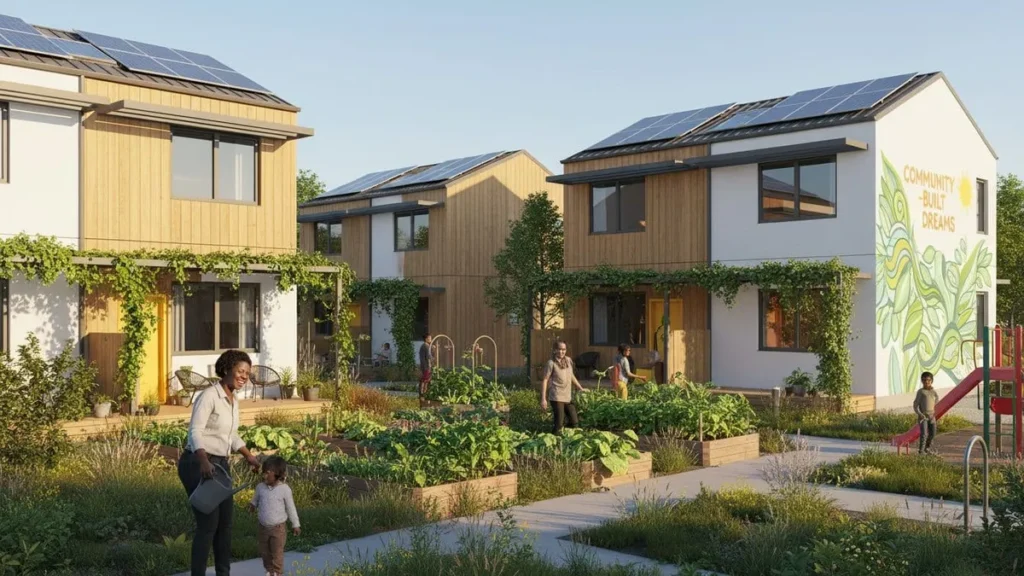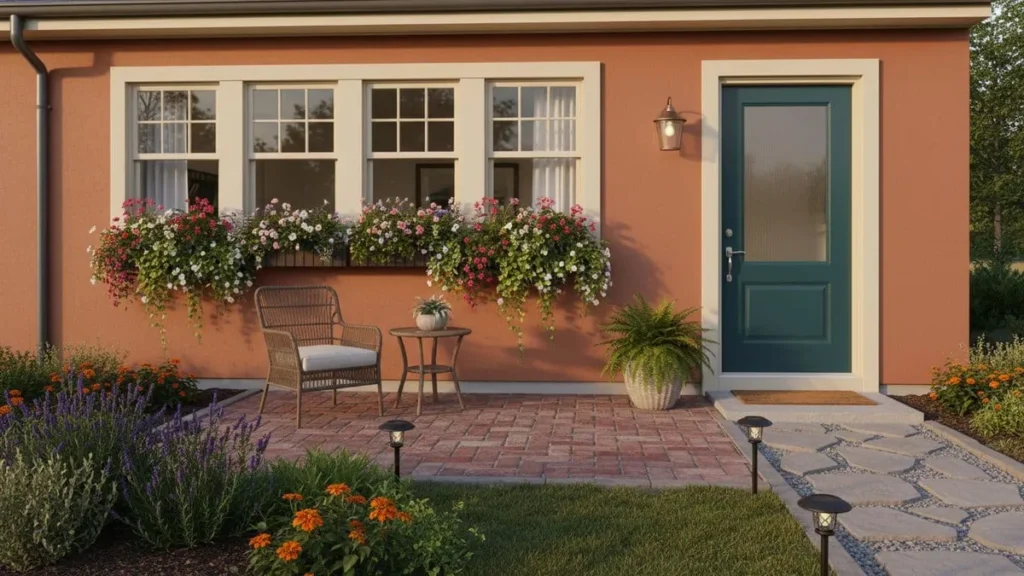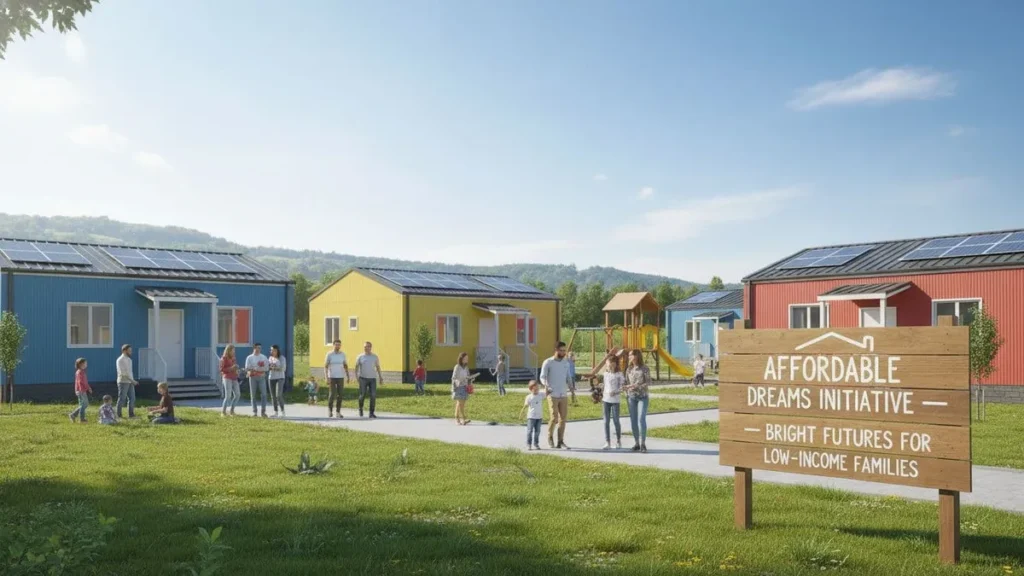
Home is more than just a shelter—it is a foundation for security, stability, and dignity. For low-income families across the world, owning a home represents hope and opportunity. The Affordable Dream Homes Initiative for Low-Income Families embodies a transformative vision: to make decent housing accessible for everyone through sustainable design, innovative financing, and community collaboration. At Angel Alliance Initiatives, we are committed to turning this vision into reality by supporting social projects that bring lasting impact to those who need it the most.
Table of Contents
- What is the Affordable Dream Homes Initiative?
- Why Affordable Housing is Essential in 2025
- The Core Principles of the Initiative
- Step-by-Step Framework for Building Affordable Dream Homes
- Challenges and Effective Solutions
- Data and Global Housing Statistics
- Inspiring Success Stories
- The Role of Community, Government, and NGOs
- Future Prospects and Innovations
- Conclusion – Turning Dreams into Homes
What is the Affordable Dream Homes Initiative?
The Affordable Dream Homes Initiative is a community-driven movement aimed at providing affordable, sustainable, and dignified housing solutions for low-income families. It involves collaboration between NGOs, local governments, architects, volunteers, and financial institutions to build homes that are safe, durable, and environmentally friendly. These projects not only improve living conditions but also foster social equality and economic stability. The initiative focuses on empowering families to participate actively in designing, building, and maintaining their homes, ensuring that the process is both inclusive and empowering. Common FAQs: What qualifies as a low-income family? Families earning below 60% of the median national income are generally classified as low-income. What makes these homes affordable? Affordable homes are designed using cost-effective materials, energy-efficient systems, and government-supported financing schemes. How can individuals contribute? Donations, volunteering, and awareness campaigns are key ways individuals can participate in this initiative.
Why Affordable Housing is Essential in 2025
In 2025, the global demand for affordable housing continues to surge as urbanization accelerates and income disparities widen. According to UN-Habitat, nearly 1.6 billion people worldwide lack adequate housing. Affordable housing is essential to ensuring social inclusion, improving public health, and fostering economic growth. When families have stable homes, children perform better in school, healthcare outcomes improve, and communities become stronger. The Affordable Dream Homes Initiative aligns with global sustainability goals by addressing poverty, inequality, and environmental impact simultaneously.
The Core Principles of the Initiative
- Affordability: Use of local, sustainable materials and smart designs that reduce costs without compromising quality. 2. Sustainability: Integration of solar energy, rainwater harvesting, and green architecture for long-term environmental balance. 3. Inclusivity: Prioritizing housing for marginalized groups such as single mothers, rural workers, and differently-abled individuals. 4. Transparency: Clear financial accountability through open-source funding models and real-time project updates. 5. Community Ownership: Encouraging families and local communities to take part in planning and construction, creating a sense of pride and responsibility.
Step-by-Step Framework for Building Affordable Dream Homes
- Assessment and Planning: Identify areas with acute housing shortages and assess demographic needs. 2. Partnership Development: Collaborate with NGOs, corporate CSR programs, and government housing authorities. 3. Design Phase: Create adaptable and modular home designs that optimize space and reduce construction waste. 4. Financing: Introduce microfinance options, subsidies, and crowdfunding models for accessible homeownership. 5. Construction: Employ sustainable building materials like bamboo, compressed earth blocks, and recycled steel. 6. Post-Construction Support: Provide homeownership training, maintenance education, and community-building programs.
Challenges and Effective Solutions
Challenge 1: High construction costs in rural and remote areas. Solution: Use of prefabricated structures and locally sourced materials to reduce costs. Challenge 2: Funding limitations and bureaucracy. Solution: Encourage public-private partnerships and transparent funding models. Challenge 3: Lack of skilled labor. Solution: Train local workers through community workshops and social skill-building programs. Challenge 4: Limited awareness of financial options. Solution: Launch awareness drives about microcredit and government housing schemes.
Data and Global Housing Statistics
- Over 1.6 billion people lack access to adequate housing (UN-Habitat, 2024). – The global housing deficit is expected to reach 2 billion by 2030. – Affordable housing can increase GDP by up to 10% through related industries. – Energy-efficient homes lower monthly expenses by 30–40%, providing long-term relief to low-income families. – Women-led homeownership programs improve community retention by 25% and family income stability by 35%.
Inspiring Success Stories
Habitat for Humanity – Global Impact: This organization has built more than 39 million homes across 70+ countries, empowering families through sweat equity. India’s Pradhan Mantri Awas Yojana (PMAY): Provided millions of subsidized homes with an emphasis on women-led ownership. Angel Alliance Initiatives: Our efforts support the creation of affordable dream homes that combine sustainability with compassion. Through volunteer networks and transparent funding, we empower families to build homes that last generations. EcoCasa Mexico: Reduced carbon emissions by 50% while providing affordable green homes to low-income families.
The Role of Community, Government, and NGOs
Sustainable housing success depends on collaborative efforts. Governments provide land and subsidies, NGOs facilitate design and project management, and communities bring the human connection. When all three stakeholders align, affordable housing becomes scalable, transparent, and impactful. Programs that integrate training, environmental conservation, and livelihood support alongside housing construction deliver the highest long-term value.
Future Prospects and Innovations
The future of affordable dream homes lies in innovation and technology. 3D-printed houses, AI-based design tools, and blockchain-enabled transparency are reshaping how we build and fund homes. In 2025 and beyond, modular homes and energy-independent living units will define the new era of affordable housing. Integrating digital technology ensures cost control, quality assurance, and equitable access for all.
Conclusion
The Affordable Dream Homes Initiative for Low-Income Families stands as a testament to what humanity can achieve when compassion meets innovation. Every brick laid under this initiative represents a life transformed, a dream realized, and a community strengthened. Housing is not a privilege—it’s a right. Through collective action, sustainable practices, and transparency, we can ensure that every family, regardless of income, has the opportunity to call a place their home. At Angel Alliance Initiatives, we remain dedicated to fueling this vision—one home, one heart, one community at a time.