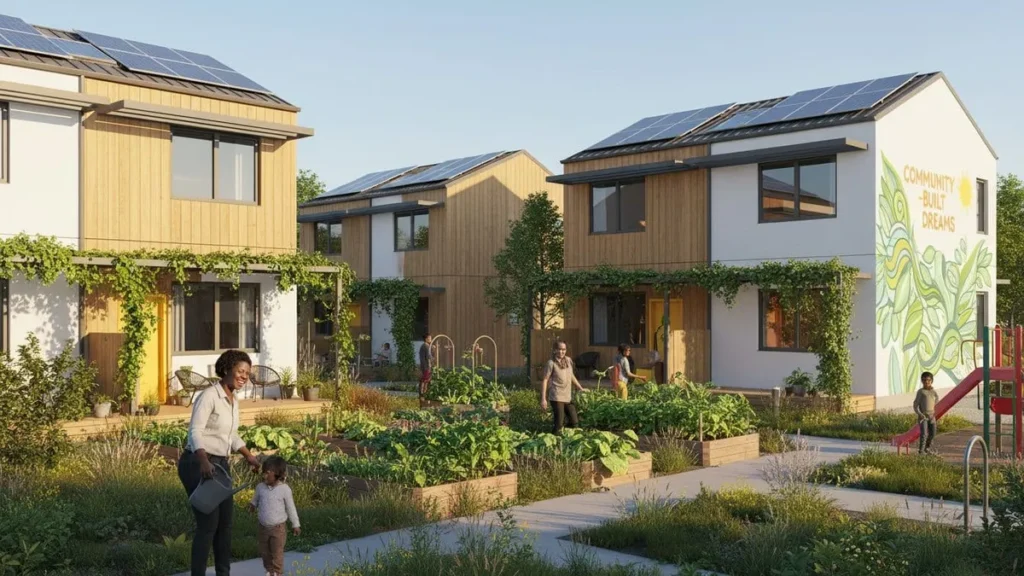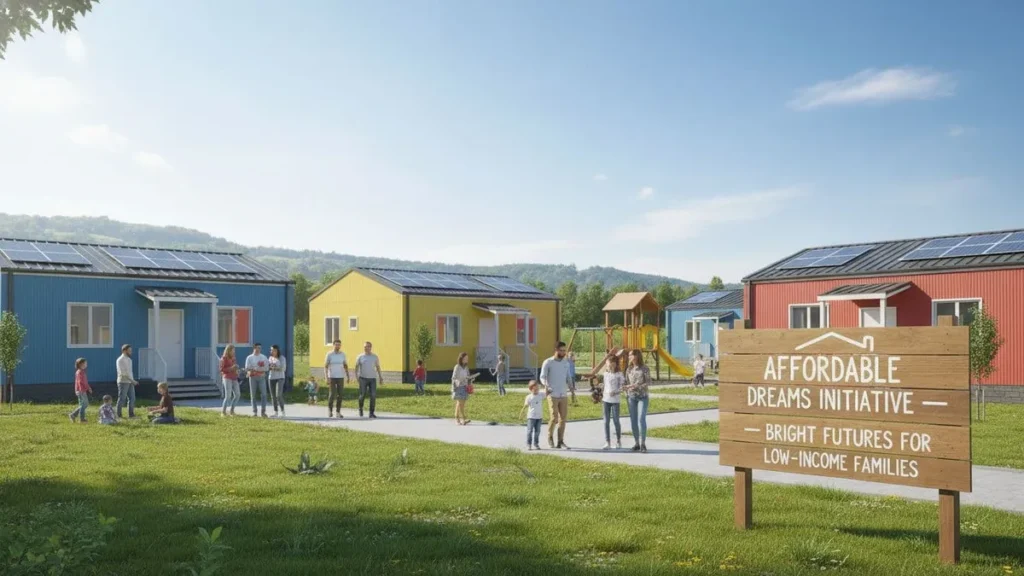
The concept of a dream home often symbolizes stability, dignity, and the fulfillment of one of humanity’s most basic needs—a safe and secure shelter. Yet for millions of families worldwide, this dream remains elusive. Non-profit housing projects are transforming this reality by bridging the gap between affordability and aspiration. The Dream Home Transformation from Non-Profit Housing Projects demonstrates how compassion, innovation, and collaboration can turn dreams into durable homes. At Angel Alliance Initiatives, we believe housing is not just a structure; it’s a foundation for better living, education, and opportunity.
Table of Contents
- What is Dream Home Transformation from Non-Profit Housing Projects?
- Why Non-Profit Housing Projects Matter in 2025
- How Non-Profits Transform Communities through Housing
- Stages of Dream Home Development in Non-Profit Projects
- The Role of Sustainability and Local Empowerment
- Key Challenges and Effective Solutions
- Global Data and Impact Statistics
- Case Studies: Transformative Non-Profit Housing Models
- Collaboration Between Communities, NGOs, and Governments
- Conclusion – Building Hope Beyond Walls
What is Dream Home Transformation from Non-Profit Housing Projects?
Dream Home Transformation refers to the process by which non-profit housing organizations and social initiatives provide affordable, safe, and sustainable homes to underserved populations. These projects go beyond traditional construction—they include social development, skill-building, and community integration. Non-profit housing programs typically operate through donations, government partnerships, and volunteer engagement. Their mission is to empower low-income families by turning the dream of homeownership into a tangible, life-changing reality. Common FAQs: What is a non-profit housing project? It’s an initiative led by charitable or social organizations that builds affordable homes for marginalized communities. How do non-profit homes differ from government housing schemes? Non-profits emphasize quality, sustainability, and community empowerment over bureaucratic processes. Can volunteers participate in home-building? Yes, many organizations like Habitat for Humanity and Angel Alliance Initiatives rely heavily on volunteer support to build and maintain homes.
Why Non-Profit Housing Projects Matter in 2025
In 2025, the importance of non-profit housing projects has never been greater. The global housing crisis has deepened, with over 1.6 billion people lacking adequate shelter. Rising construction costs, urban migration, and climate change have worsened housing inequalities. Non-profit organizations play a pivotal role in ensuring inclusive development by focusing on affordable housing that also promotes environmental sustainability and community resilience. These projects reduce homelessness, improve access to clean water and sanitation, and stimulate local economies through job creation and skills training. They contribute directly to UN Sustainable Development Goals (SDG 1: No Poverty, SDG 11: Sustainable Cities and Communities).
How Non-Profits Transform Communities through Housing
Non-profit housing initiatives don’t just build houses—they build futures. Families gain not only a roof but also stability, health, and hope. Community engagement programs ensure residents learn financial literacy, home maintenance, and sustainable living practices. The psychological transformation is profound: homeownership fosters pride, reduces stress, and strengthens community bonds. In many cases, non-profit housing acts as a catalyst for broader community development, leading to improved education, entrepreneurship, and healthcare access.
Stages of Dream Home Development in Non-Profit Projects
- Assessment and Planning: Identify housing needs through surveys and community outreach. 2. Partnership Formation: Collaborate with local authorities, donors, and corporate CSR programs. 3. Design and Innovation: Develop sustainable, low-cost, climate-resilient designs using local materials. 4. Funding and Resource Mobilization: Utilize grants, crowdfunding, and microfinance to make homes affordable. 5. Construction and Participation: Engage local workers, volunteers, and beneficiaries to foster ownership. 6. Post-Construction Support: Train families on home care, maintenance, and community engagement for long-term impact.
The Role of Sustainability and Local Empowerment
Sustainability and empowerment lie at the heart of non-profit housing success. Using eco-friendly materials like bamboo, recycled steel, and solar panels minimizes environmental impact. Rainwater harvesting, passive cooling designs, and energy-efficient lighting reduce long-term expenses for homeowners. Moreover, local empowerment ensures that communities are not just beneficiaries but active participants in their development. Women-led construction teams, local artisans, and youth volunteers help build a sense of pride and responsibility that strengthens social fabric.
Key Challenges and Effective Solutions
Challenge 1: Funding limitations often restrict project scale. Solution: Encourage diversified funding models combining CSR, public-private partnerships, and community fundraising. Challenge 2: Land acquisition hurdles delay progress. Solution: Work with governments to allocate public land for housing initiatives. Challenge 3: Lack of skilled labor in rural regions. Solution: Introduce training programs that equip locals with sustainable construction skills. Challenge 4: Maintenance neglect post-handover. Solution: Implement education programs on home upkeep and community accountability systems.
Global Data and Impact Statistics
- Over 1.6 billion people globally lack adequate housing (UN-Habitat). – 100 million people are homeless worldwide. – Non-profit housing programs have built over 35 million homes in the past decade. – Sustainable housing can reduce carbon emissions by 40–50% compared to conventional homes. – Families living in stable homes report 60% higher school attendance and 45% better health outcomes. – Every $1 invested in non-profit housing generates up to $3 in local economic growth.
Case Studies: Transformative Non-Profit Housing Models
Habitat for Humanity International: One of the world’s largest non-profits, it has empowered millions with affordable housing through volunteer-driven construction. Angel Alliance Initiatives: Focuses on sustainable dream home projects integrating transparency, community involvement, and green design. Each home built represents a story of restored dignity and renewed hope. EcoCasa Mexico: Demonstrated how low-cost eco-homes can cut carbon footprints by half while providing long-term affordability. Barefoot College India: Trains rural women as engineers to construct solar-powered homes, combining gender equality with sustainability.
Collaboration Between Communities, NGOs, and Governments
Collaboration is the foundation of successful housing transformation. Governments provide land and regulatory support, NGOs bring innovation and management, and communities contribute labor and cultural insight. When these elements align, the outcome is not just housing—it’s holistic development. Transparent communication and accountability ensure that resources are used efficiently and that the homes built are maintained with pride and care.
Conclusion
The Dream Home Transformation from Non-Profit Housing Projects symbolizes what humanity can achieve when compassion meets action. Every home built is more than a physical structure—it is a symbol of hope, equality, and opportunity. Through collaboration, sustainable practices, and transparency, non-profit housing initiatives are changing lives and shaping a more inclusive future. At Angel Alliance Initiatives, we remain devoted to building not just homes, but stronger, fairer, and kinder communities—where every family has a place to belong, dream, and thrive.