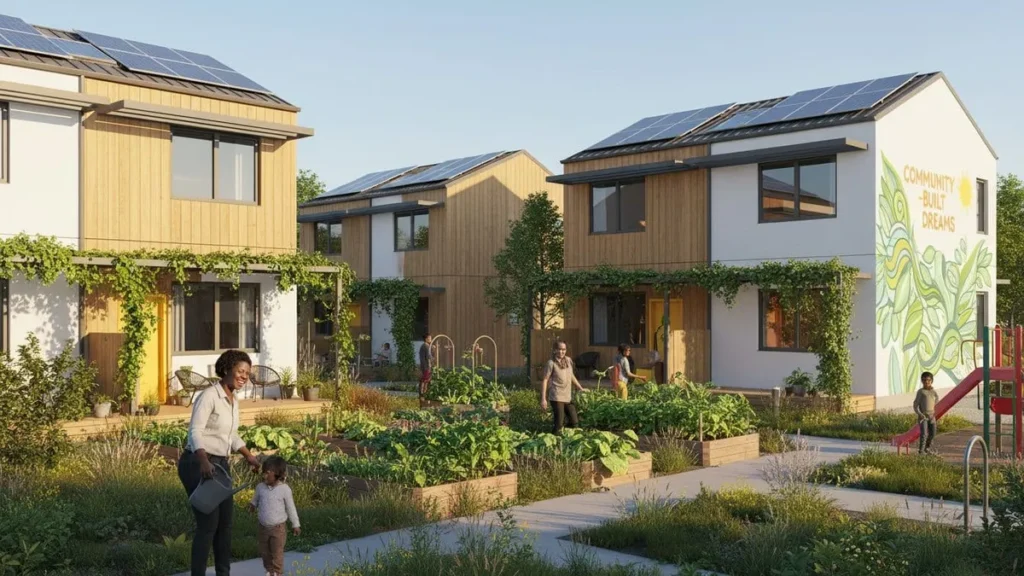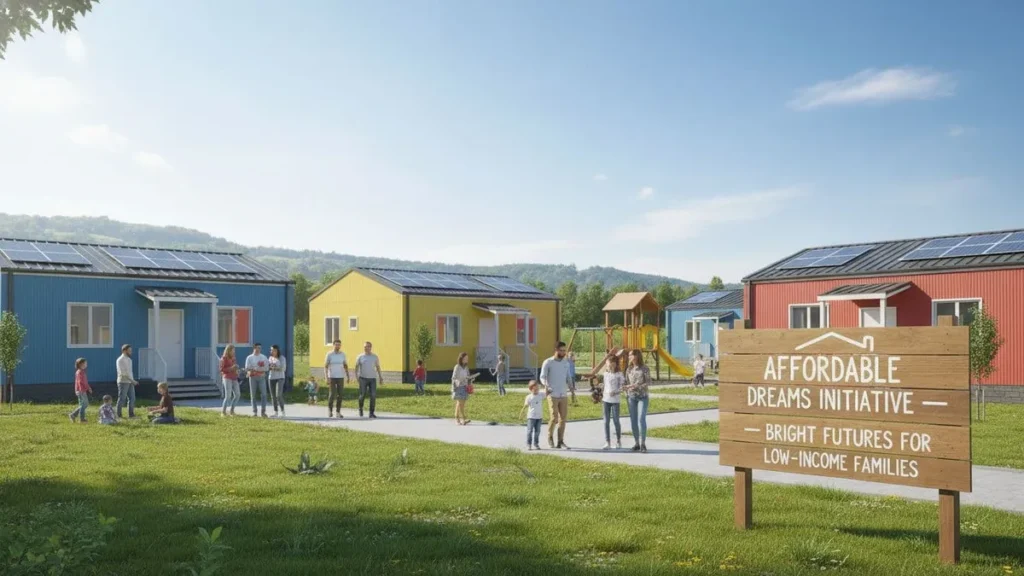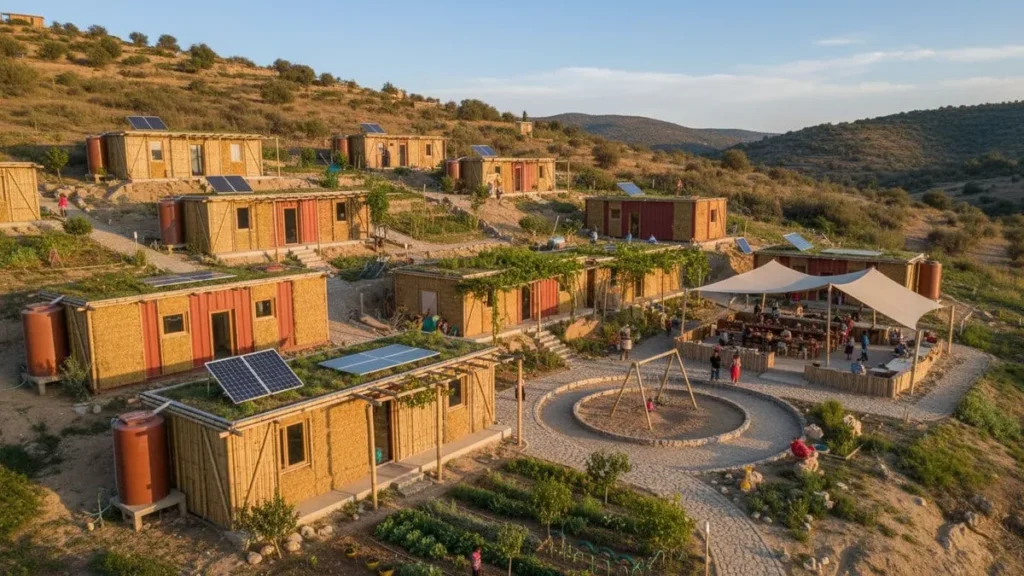
Every human being deserves a place to call home—a space that provides safety, dignity, and belonging. For refugee and displaced families, this need is both urgent and profound. Millions around the world are forced to flee conflict, persecution, and disasters, finding themselves in temporary shelters that lack stability and hope. Designing sustainable dream homes for refugee or displaced families bridges the gap between survival and renewal. At Angel Alliance Initiatives, we believe that sustainable housing is not merely about building structures; it’s about restoring humanity, fostering resilience, and enabling communities to rebuild their lives with dignity and strength.
Table of Contents
- What are Sustainable Dream Homes for Refugee or Displaced Families?
- Why Sustainable Housing Solutions Matter in 2025
- Core Principles of Designing Sustainable Dream Homes
- Key Steps in Building Refugee Housing Projects
- Innovative Designs and Technologies for Refugee Housing
- Major Challenges and Solutions in Refugee Housing Development
- Global Data and Humanitarian Statistics
- Case Studies: Transformative Refugee Housing Models
- Role of Collaboration Between NGOs, Governments, and Communities
- Conclusion – Homes of Hope and Humanity
What are Sustainable Dream Homes for Refugee or Displaced Families?
Sustainable dream homes for refugee or displaced families are innovative, eco-friendly, and cost-effective housing solutions designed to provide long-term safety and comfort to those uprooted from their homes. Unlike temporary shelters or camps, these homes are built using sustainable materials and renewable energy, ensuring resilience, self-sufficiency, and community integration. The design focuses on environmental harmony and social empowerment, ensuring refugees not only have a place to live but a chance to thrive. Common FAQs: What makes a home sustainable for refugees? Homes that use renewable energy, recycled materials, and water-efficient systems. Can such housing be built quickly in crisis situations? Yes, modular and prefabricated designs allow for rapid construction. Do refugees participate in building these homes? Many programs engage refugees in the construction process, offering skill training and ownership.
Why Sustainable Housing Solutions Matter in 2025
In 2025, global displacement has reached record highs, with more than 114 million people worldwide forced to flee their homes due to conflict, climate disasters, or economic instability. Temporary shelters may provide short-term relief but are not sustainable solutions for long-term well-being. Sustainable housing initiatives empower refugees with stable living environments that promote health, education, and livelihood opportunities. By integrating renewable energy systems and eco-friendly architecture, these homes minimize environmental impact while addressing humanitarian crises. Sustainable housing aligns directly with the United Nations Sustainable Development Goals (SDGs), particularly Goal 11 (Sustainable Cities and Communities) and Goal 13 (Climate Action).
Core Principles of Designing Sustainable Dream Homes
- Affordability: Housing must remain cost-effective while meeting global safety and sustainability standards. 2. Sustainability: Use renewable materials such as bamboo, recycled plastic, and compressed earth blocks to reduce waste. 3. Energy Efficiency: Incorporate solar power, natural ventilation, and thermal insulation to minimize energy needs. 4. Cultural Relevance: Adapt designs to reflect local traditions, climates, and community lifestyles. 5. Scalability: Create modular designs that can be expanded as resources and family needs grow. 6. Community Participation: Empower refugees by involving them in construction, decision-making, and maintenance.
Key Steps in Building Refugee Housing Projects
- Needs Assessment: Identify regional displacement patterns, population sizes, and environmental factors. 2. Site Selection: Choose safe, accessible land with infrastructure potential for long-term settlement. 3. Design Development: Engage architects, engineers, and refugees in co-designing sustainable housing units. 4. Funding and Resource Allocation: Partner with NGOs, governments, and global donors to mobilize resources. 5. Construction and Skill Training: Implement rapid, modular, or 3D-printed building systems using local labor. 6. Post-Settlement Integration: Provide livelihood programs, education, and healthcare access to ensure community growth.
Innovative Designs and Technologies for Refugee Housing
Innovation drives the success of sustainable housing projects. 3D-Printed Homes: Organizations like ICON and New Story are pioneering 3D-printed homes that can be constructed in less than 48 hours. Prefab Modular Homes: Easy-to-assemble units built off-site and transported for quick setup in refugee camps. Solar-Powered Shelters: Integrate solar panels for energy independence and lighting. Water Harvesting Systems: Capture and store rainwater for household use. Recycled Material Architecture: Utilize waste plastic bricks, bamboo, and eco-concrete for durable and affordable construction. Smart Layouts: Incorporate communal areas, gardens, and schools to create holistic living spaces.
Major Challenges and Solutions in Refugee Housing Development
Challenge 1: Land scarcity and political restrictions on refugee settlements. Solution: Advocate for inclusive land policies and public-private partnerships for land access. Challenge 2: Limited funding for large-scale sustainable housing. Solution: Leverage crowdfunding, CSR initiatives, and international donor support. Challenge 3: Harsh climates and environmental conditions. Solution: Develop climate-adaptive housing with cooling roofs, cross-ventilation, and rain shields. Challenge 4: Cultural and social integration issues. Solution: Involve refugees in every stage of planning to ensure cultural inclusivity and ownership.
Global Data and Humanitarian Statistics
- Over 114 million people globally are displaced (UNHCR, 2025). – 90% of refugees live in developing countries with limited infrastructure. – Sustainable modular housing reduces construction costs by up to 40%. – Energy-efficient designs can lower operational costs by 60%. – Every $1 invested in sustainable refugee housing yields $3–$5 in social and economic benefits. – Women-led housing initiatives increase family security and education retention by 35%.
Case Studies: Transformative Refugee Housing Models
UNHCR & IKEA Foundation – Better Shelter Project: Modular, solar-powered shelters that house over 60,000 displaced families across the Middle East and Africa. Habitat for Humanity – Global Refugee Housing Programs: Builds permanent housing with refugee involvement, emphasizing sustainability and self-reliance. Angel Alliance Initiatives: Our ongoing mission supports dream home transformation for displaced families through sustainable design, volunteer networks, and transparency-driven funding. Jordan’s Azraq Refugee Camp Solar Village: The world’s first refugee camp powered entirely by renewable energy, reducing emissions by over 20,000 tons annually.
Role of Collaboration Between NGOs, Governments, and Communities
Sustainable refugee housing thrives on collaboration. Governments provide policy support and land access; NGOs contribute technical expertise and funding; communities provide local insight and labor. Together, these partnerships ensure that housing projects are inclusive, transparent, and long-lasting. Involving refugees as active participants builds trust, boosts morale, and ensures sustainability. Public-private partnerships and innovative funding mechanisms are vital to scaling such solutions globally.
Conclusion
Designing sustainable dream homes for refugee or displaced families is not just a humanitarian act—it is a declaration of shared humanity. These homes represent resilience, hope, and the unbreakable spirit of people who have lost everything yet dream again. With sustainability, innovation, and collaboration, the future of refugee housing can be one of dignity and opportunity. At Angel Alliance Initiatives, we stand committed to transforming temporary shelters into permanent homes of hope—because every displaced person deserves more than survival; they deserve a future.