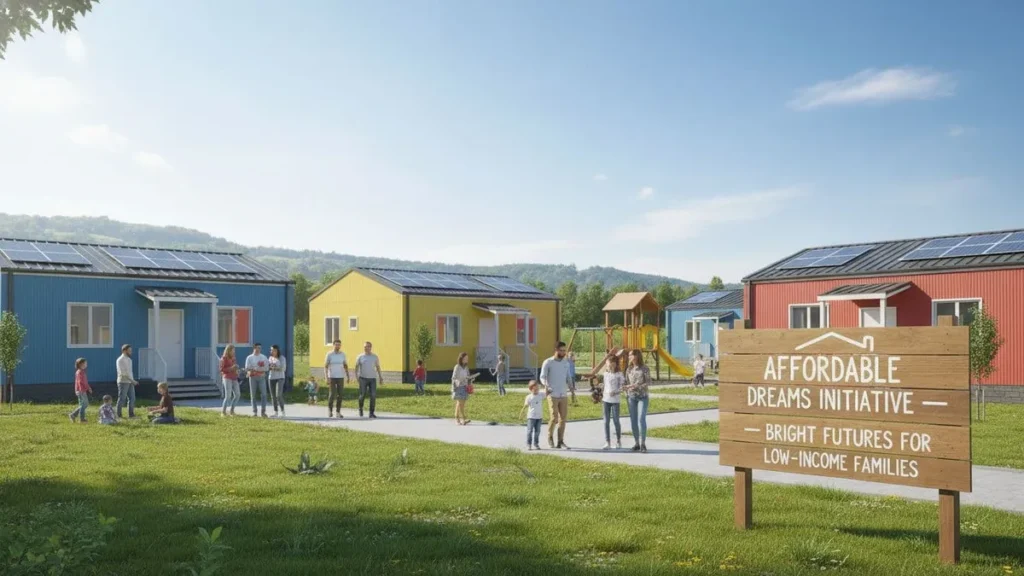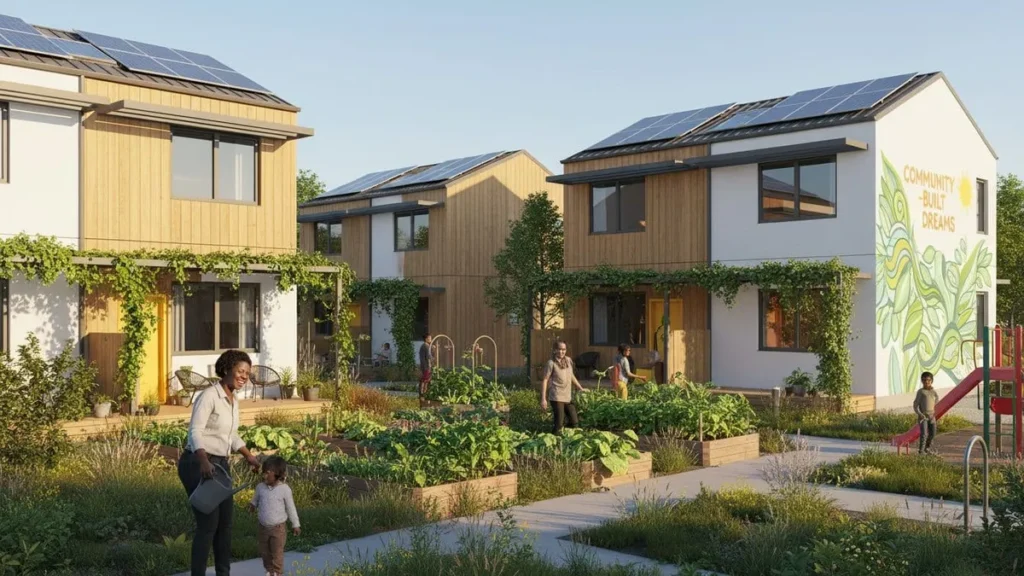
In a world where inequality defines access to basic human needs, the dream of owning a home remains out of reach for millions. Building dream homes for underserved communities isn’t just about construction—it’s about creating stability, dignity, and hope. At Angel Alliance Initiatives, we believe every family deserves a safe, sustainable, and affordable place to live. This guide explores how to build dream homes for underserved communities through sustainable architecture, social collaboration, innovative financing, and compassionate social work. Let’s uncover the steps to make the dream of housing for all a reality.
Table of Contents
- What is a Dream Home for Underserved Communities?
- Why Affordable and Sustainable Housing Matters in 2025
- Core Principles of Building Dream Homes for the Underserved
- Step-by-Step Process to Build Sustainable and Affordable Homes
- Innovative Funding Models and Community Involvement
- Case Studies and Global Success Stories
- Challenges and Solutions in Housing for the Underserved
- Impact of Social Work and Volunteerism in Building Homes
- Data, Trends, and Statistics on Global Housing Inequality
- Conclusion – A Dream Built Together
What is a Dream Home for Underserved Communities?
A dream home for underserved communities goes beyond four walls and a roof—it represents stability, safety, and belonging. For low-income families, disaster victims, and marginalized groups, a dream home is a foundation for rebuilding lives. According to global housing reports, over 1.6 billion people lack adequate shelter worldwide. Social organizations and community-driven initiatives now focus on building affordable, eco-friendly, and disaster-resilient homes that empower people economically and socially. Common FAQs: What defines an underserved community? It refers to populations with limited access to resources like housing, education, and healthcare. How much does it cost to build an affordable home? Costs vary by region, but sustainable models can lower costs by up to 40% using recycled and local materials. Can non-profits and volunteers really make an impact? Yes, community-led models have successfully transformed thousands of lives globally.
Why Affordable and Sustainable Housing Matters in 2025
In 2025, housing affordability and sustainability have become central to global development discussions. The UN Sustainable Development Goal 11 emphasizes inclusive, safe, resilient, and sustainable cities. Affordable housing directly contributes to improved health, education, and employment outcomes. Rising construction costs, climate change, and urban population growth make innovative housing solutions more critical than ever. Building dream homes for underserved communities ensures that growth includes everyone, not just the privileged.
Core Principles of Building Dream Homes for the Underserved
- Affordability: Using cost-effective materials and labor without compromising safety. 2. Sustainability: Implementing eco-friendly materials like bamboo, recycled steel, and solar energy. 3. Community Engagement: Involving residents in planning and building to foster ownership. 4. Resilience: Designing homes to withstand local climate conditions and disasters. 5. Inclusivity: Ensuring accessibility for elderly and differently-abled individuals.
Step-by-Step Process to Build Sustainable and Affordable Homes
- Needs Assessment: Conduct surveys and engage communities to identify housing priorities. 2. Design and Planning: Use modular, space-efficient designs that reduce material wastage. 3. Funding and Partnerships: Collaborate with NGOs, local governments, and CSR initiatives. 4. Material Selection: Prioritize eco-friendly, locally sourced, and durable materials. 5. Construction Phase: Employ local labor to promote community empowerment. 6. Post-Build Support: Offer training for maintenance, sanitation, and livelihood development.
Innovative Funding Models and Community Involvement
Building homes for underserved populations requires creative financing. Microfinance, crowdfunding, CSR programs, and public-private partnerships play a vital role. Platforms like Habitat for Humanity and Angel Alliance Initiatives are revolutionizing how communities participate. Transparent financial models and volunteer-driven efforts ensure that every contribution directly benefits those in need. Empowering locals as stakeholders ensures sustainable change and long-term home maintenance.
Case Studies and Global Success Stories
India’s Pradhan Mantri Awas Yojana (PMAY): Provided millions of low-cost houses with subsidies for women-led households. Habitat for Humanity Global Projects: Built over 29 million homes across 70 countries. Mexico’s EcoCasa Program: Promotes energy-efficient housing reducing carbon footprints by 50%. Angel Alliance Initiatives: Focuses on transparent donation channels that fund community-driven dream homes, integrating sustainable designs and livelihood support.
Challenges and Solutions in Housing for the Underserved
Challenges: Land acquisition issues, funding shortages, lack of skilled labor, and bureaucratic delays. Solutions: Promote modular and 3D-printed homes for rapid, cost-effective building. Introduce government incentives for affordable housing projects. Encourage corporate CSR and public-private partnerships. Implement community training programs for construction and maintenance.
Impact of Social Work and Volunteerism in Building Homes
Social workers, architects, engineers, and volunteers form the backbone of housing movements. Their collective effort drives real transformation. Volunteers not only build homes—they build trust, compassion, and a sense of shared humanity. Financial contributions and partnerships ensure that every brick laid carries a purpose—to restore dignity and provide hope.
Data, Trends, and Statistics on Global Housing Inequality
- 1.6 billion people live in inadequate housing (UN-Habitat). – 100 million people are homeless worldwide. – Sustainable materials can reduce housing costs by up to 40%. – Urban population is projected to reach 68% by 2050, increasing housing demand by 70%. – Community-driven housing projects improve retention and local employment by over 60%.
Conclusion
Building dream homes for underserved communities is not a charity—it’s a shared responsibility toward humanity. Every home built is a story of transformation, resilience, and hope. With collective effort, transparent funding, sustainable practices, and community involvement, we can ensure that everyone, regardless of background or income, has a place to call home. At Angel Alliance Initiatives, we continue to bridge dreams with reality—one home, one heart, one community at a time.