Introduction
In a world increasingly dominated by screens, stress, and urban isolation, the simple act of gardening has emerged as a powerful tool for emotional and psychological healing. Community garden programs are no longer just about growing food; they are cultivating wellness, connection, and hope. These shared green spaces have become sanctuaries for mental health support, promoting mindfulness, reducing anxiety, and fostering social inclusion. As society faces growing mental health challenges, the integration of community gardening into wellness initiatives offers a natural, evidence-based solution rooted in the healing power of nature.
Table of Contents
- What is a Community Garden Program?
- The Connection Between Nature and Mental Health
- The Psychological Benefits of Gardening
- How Community Gardens Foster Social Support and Belonging
- Data, Research, and Global Statistics
- Why Community Gardens are Essential in 2025
- Steps to Start or Join a Community Garden
- Community Gardens and Urban Sustainability
- Government and NGO Support for Green Mental Health Initiatives
- Conclusion: Nurturing the Mind by Nurturing the Earth
What is a Community Garden Program?
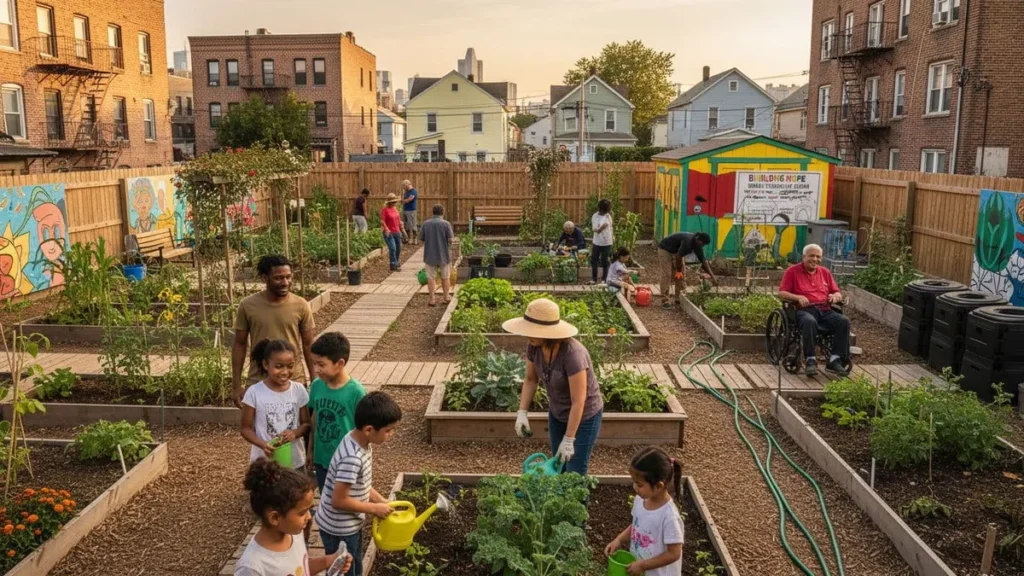
A community garden program is a shared space where individuals come together to grow fruits, vegetables, herbs, and flowers collaboratively. These gardens are typically located in neighborhoods, schools, or public areas, and are managed collectively by participants. Beyond food cultivation, they serve as hubs of learning, interaction, and therapy.
Frequently Asked Questions:
- Are community gardens free to join? Many are, though some require minimal membership fees for maintenance.
- Who can participate? Most community gardens welcome people of all ages, abilities, and backgrounds.
- How do they improve mental health? Through connection with nature, physical activity, and social bonding.
The Connection Between Nature and Mental Health
Scientific studies increasingly affirm what ancient wisdom has long known: nature heals. Spending time in natural environments reduces stress hormone levels, boosts serotonin, and enhances cognitive performance. According to the American Psychological Association, even 20 minutes in nature can lower cortisol levels and improve mood significantly. Community gardens offer this therapeutic connection right within urban spaces, making mental health support accessible to everyone.
The Psychological Benefits of Gardening
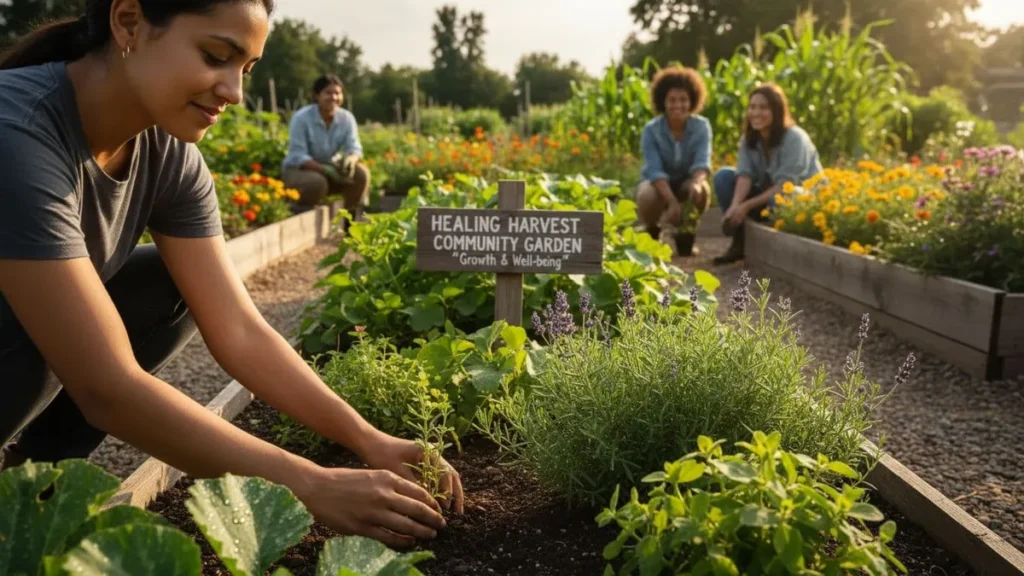
Gardening acts as a form of mindfulness meditation, grounding individuals in the present moment. The tactile experience of soil, the rhythmic nature of planting, and the visible growth of life instill a sense of purpose and calm. Research published in the Journal of Public Health found that participants in community gardening reported lower levels of depression and anxiety compared to non-gardeners. Additionally, gardening promotes dopamine release through nurturing and witnessing growth, stimulating feelings of accomplishment and joy.
How Community Gardens Foster Social Support and Belonging
Isolation is one of the leading contributors to poor mental health. Community gardens create social networks that build a sense of belonging and mutual support. Participants often describe these gardens as safe, non-judgmental spaces that encourage meaningful interactions. In diverse urban settings, gardens become bridges between cultures, fostering empathy and unity. This sense of community directly combats loneliness—a significant factor linked to depression and anxiety.
Data, Research, and Global Statistics
According to the World Health Organization (WHO), over 970 million people globally are affected by mental disorders. Urbanization, economic stress, and digital fatigue have intensified the need for natural therapies. A 2024 meta-analysis in Nature Sustainability found that engagement in community gardens reduced stress-related symptoms by 30% on average. Moreover, 82% of participants reported improved emotional resilience. Cities like London, New York, and Tokyo are incorporating community garden initiatives as official public health strategies. The economic impact is notable too—mental health costs decline as community participation rises.
Why Community Gardens are Essential in 2025
In 2025, mental health awareness and environmental sustainability are at the forefront of global priorities. Climate anxiety, work-related stress, and social disconnection have pushed individuals to seek meaningful, nature-based coping strategies. Community gardens address multiple challenges at once—they restore ecological balance, promote healthy eating, and enhance well-being. Governments and NGOs worldwide recognize them as low-cost, high-impact solutions to urban wellness and sustainability.
Steps to Start or Join a Community Garden
- Identify available public or private land suitable for gardening.
- Connect with local NGOs or municipal bodies for permissions.
- Form a small group of like-minded individuals.
- Plan the layout, plant selection, and responsibilities collaboratively.
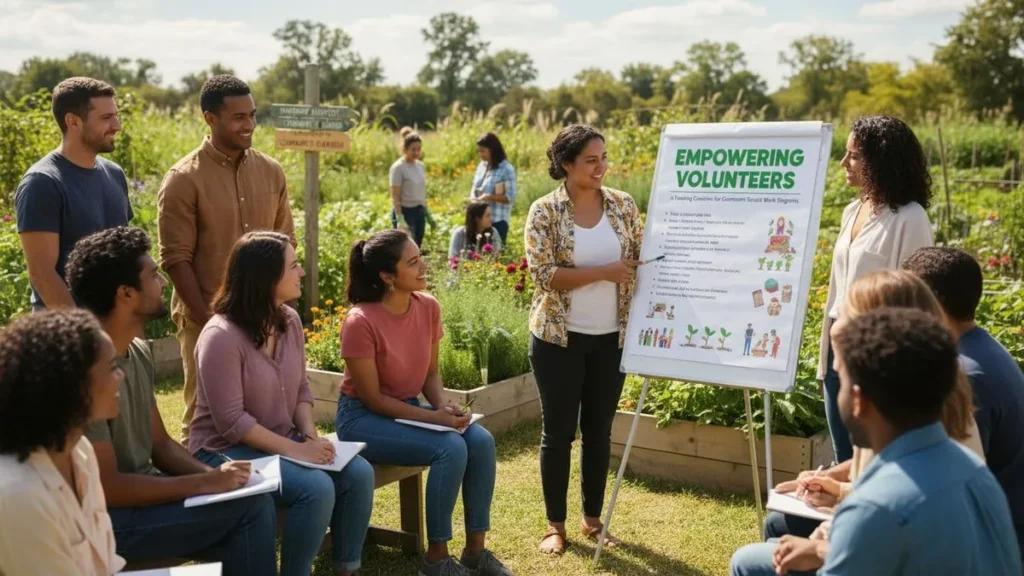
- Host community events and wellness sessions to keep engagement alive.
By participating, individuals not only gain mental peace but also contribute to food security, environmental awareness, and local empowerment.
Community Gardens and Urban Sustainability
Beyond mental health, community gardens strengthen environmental stewardship. They promote biodiversity, reduce carbon footprints, and educate citizens about organic farming. Green spaces in cities help combat the heat island effect and improve air quality, both of which contribute indirectly to mental wellness. Schools and workplaces that integrate gardens into their infrastructure report higher engagement, creativity, and morale among participants.
Government and NGO Support for Green Mental Health Initiatives
Organizations such as the United Nations Environment Programme (UNEP), World Health Organization (WHO), and local non-profits are increasingly funding green therapy programs. Initiatives like the Green Care Framework and Eco-Therapy projects combine horticulture with counseling to support individuals with PTSD, anxiety, and depression. In India, community gardens are being developed under Swachh Bharat and Smart Cities Missions as part of public health infrastructure.
Conclusion: Nurturing the Mind by Nurturing the Earth
Healing through nature is not a metaphor—it’s a scientifically proven, deeply human experience. Community garden programs serve as living laboratories of wellness where seeds of compassion, growth, and resilience take root. In a world where mental health issues are rising exponentially, these gardens stand as reminders that healing doesn’t always require medication or technology—sometimes, it begins with our hands in the soil, surrounded by life. At Angel Alliance Initiatives, we believe that supporting such community-driven, nature-based mental health programs is not merely philanthropy—it’s an investment in collective human flourishing.