
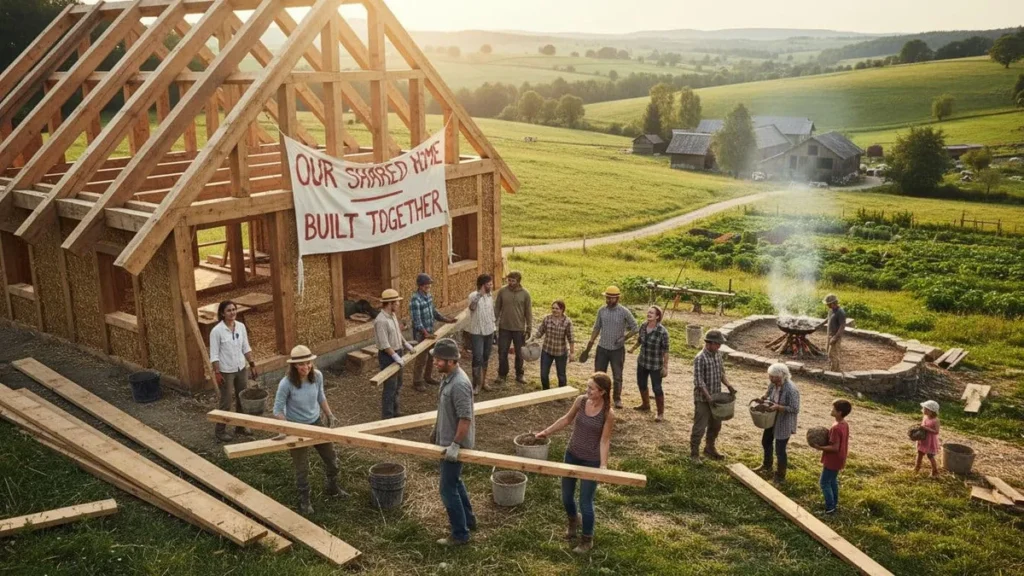
Rural development is more than an infrastructure challenge—it’s about empowering people to shape their own futures. Community-driven dream home projects in rural areas represent one of the most powerful ways to achieve that. By combining local knowledge, sustainable materials, and collective participation, such initiatives transform underdeveloped regions into thriving, self-sustaining communities. At Angel Alliance Initiatives, we believe that every individual deserves a dignified home, and through collaboration, compassion, and innovation, this dream becomes reality for many underserved families.
Table of Contents
- What are Community-Driven Dream Home Projects?
- Why These Projects Matter in 2025
- The Process of Building Dream Homes in Rural Areas
- Key Challenges and Innovative Solutions
- The Role of Sustainability and Local Empowerment
- Funding and Partnership Models for Rural Housing
- Data and Statistics on Rural Housing Needs
- Global and Local Success Stories
- The Transformational Impact on Rural Lives
- Conclusion – Building Hope, Brick by Brick
What are Community-Driven Dream Home Projects?
Community-driven dream home projects in rural areas are initiatives where local residents, social workers, architects, NGOs, and volunteers come together to design and build affordable, sustainable homes. Unlike traditional housing programs imposed from above, these projects prioritize local participation, giving communities ownership and pride in their development journey. The goal is not just to construct houses but to create ecosystems of empowerment, social harmony, and resilience. Common FAQs: What makes a project community-driven? A project is community-driven when locals actively participate in decision-making, planning, and building processes. How are these homes different from government housing schemes? They focus on sustainability, affordability, and inclusion, ensuring long-term social and environmental benefits. Can such projects work in remote or resource-poor villages? Yes, with the right combination of local materials, innovative designs, and social mobilization, these projects can thrive even in challenging conditions.
Why These Projects Matter in 2025
In 2025, community-driven dream home projects are crucial for bridging the rural-urban divide. Rapid urbanization has led to overcrowded cities, while many rural families still live in unsafe, inadequate shelters. Affordable rural housing enhances health, productivity, education, and overall well-being. Moreover, such projects align with the United Nations Sustainable Development Goal 11—creating inclusive, safe, resilient, and sustainable communities. Building homes in rural areas reduces migration pressure on cities and strengthens rural economies through skill development and local employment.
The Process of Building Dream Homes in Rural Areas
The success of rural housing projects lies in collective effort and proper planning. The following steps guide their execution: 1. Community Needs Assessment: Identify local challenges, land availability, and housing priorities. 2. Participatory Design: Engage villagers in planning layouts and designs to ensure cultural relevance and functionality. 3. Resource Mapping: Use locally available materials such as bamboo, clay, and recycled components to minimize costs. 4. Skill Development: Train local laborers and youth in sustainable construction practices. 5. Construction Phase: Combine volunteer support with professional supervision for quality assurance. 6. Post-Construction Support: Offer maintenance training and community awareness on sanitation, hygiene, and eco-friendly living.
Key Challenges and Innovative Solutions
Rural housing faces several obstacles, from limited funding to lack of technical expertise. Challenge 1: Land ownership disputes often delay construction. Solution: Use community land banks and cooperative ownership models. Challenge 2: Inconsistent funding streams hinder project continuity. Solution: Diversify sources through crowdfunding, CSR programs, and microfinancing. Challenge 3: Scarcity of skilled labor in remote areas. Solution: Conduct training workshops for villagers to build and maintain homes. Challenge 4: Poor infrastructure limits material transport. Solution: Prioritize locally sourced materials and mobile construction units.
The Role of Sustainability and Local Empowerment
Sustainability and empowerment are at the heart of community-driven housing. Using renewable materials like bamboo, compressed earth blocks, and solar energy not only reduces costs but also protects the environment. Empowering communities through education, skill training, and women-led construction teams boosts confidence and social equity. When communities build their homes, they build self-reliance, unity, and hope.
Funding and Partnership Models for Rural Housing
Financial sustainability is essential for long-term success. Key models include: 1. Microfinance and Cooperative Lending: Small, manageable loans allow families to invest gradually. 2. CSR and NGO Partnerships: Corporate Social Responsibility funds often support housing and infrastructure projects. 3. Public-Private Partnerships (PPP): Collaboration between governments, NGOs, and private developers ensures scalability. 4. Crowdfunding Campaigns: Online platforms connect donors globally with rural families in need. 5. Angel Alliance Contributions: Our transparent donation system directly funds field initiatives, ensuring accountability and measurable impact.
Data and Statistics on Rural Housing Needs
According to UN-Habitat and World Bank data, over 1 billion people globally live in inadequate housing. In India alone, rural housing demand exceeds 45 million units, with many families living in semi-permanent structures. 70% of rural populations face housing insecurity due to financial and resource constraints. Sustainable housing reduces carbon emissions by up to 50% and boosts rural employment by 40% through local labor engagement. These statistics underline the urgency for inclusive housing solutions.
Global and Local Success Stories
Habitat for Humanity – Philippines: Empowered local communities to build disaster-resilient homes after typhoons using sustainable materials. Barefoot College – India: Combined housing with solar electrification, training rural women to become engineers and community leaders. Angel Alliance Initiatives: Through collaboration and social empowerment, we’ve supported projects that build homes while developing livelihoods, ensuring that every contribution leaves a lasting legacy. EcoVillage Projects – Africa: Integrated water harvesting, green housing, and organic farming into rural housing design, setting global benchmarks for self-sufficiency.
The Transformational Impact on Rural Lives
Community-driven dream home projects are catalysts of change. They restore dignity to families, improve health outcomes, and create spaces where dreams can flourish. The ripple effects extend to better education, entrepreneurship, and social unity. Every home built represents not just shelter but a foundation for a brighter future. For many families, it’s their first step toward economic independence and community pride.
Conclusion
Building dream homes through community-driven projects in rural areas is more than philanthropy—it’s a commitment to equality, empowerment, and sustainability. Each project weaves together compassion, innovation, and shared responsibility. At Angel Alliance Initiatives, we believe that by helping people build their homes, we help them build their futures. Together, we can transform rural landscapes into thriving communities filled with opportunity, dignity, and hope.